From December 2018: I got my first record collection when I was 3 1/2. We had just moved into a little bungalow in Northeast Minneapolis and the previous owners had left a stack of old, old 45s and 78s—Patti Page, Rosemary Clooney, Nelson Eddy, Rudy Vallee etc etc which my mother, heaven bless her, let me keep for myself to play on my kiddie phonograph. This, friends, was my first true introduction to The Great American Songbook. But wasn’t until I started working at ASCAP (at 18) where I had to learn the names of the melody and lyric writers the name “Billy Rose” came popping up (year is date of recording):
From 2022: Hope you’re feeing better, mi vida, and that you’re up and getting ready for Sheffield. Given that my feelings for you lie somewhere between a Larry Hart lyric and an Iris Murdoch story, I want to share with you 1) one of most beautiful Rodgers+Hart songs; and 2) an early passage from my second favorite comic novelist’s 15th novel, The Black Prince* (Viking, 1973) before everybody goes to hell and—well, I won’t give it away:
…[I]t is one of the peculiarities, perhaps one of the blessings, of this planet that anyone can experience this transformation of the world. Also, anyone can be its object. … The foreverness of real love is one of the reasons why even unrequited love is a source of joy. The human soul craves for the eternal of which, apart from rare mysteries of religion, only love and art can give a glimpse. … Love brings with it also a vision of selflessness. How right Plato was to think that, embracing a lovely boy, he was on the road to the Good. I say a vision of selflessness, because our mixed nature readily degrades the purity of any aspiration. But such insight, even intermittent, even momentary, is a privilege and can be of permanent value because of the intensity with which it visits us. Ah, even once, to will another rather than oneself! Why could we not make of this revelation a lever by which to lift the world? Why cannot this release from self provide a foothold in a new place which we can then colonize and enlarge until at last we will all that is not ourselves? That was Plato’s dream. It is not impossible.
Above John’s adorable face: Jane Frohman sings the song I’d make a fool of myself singing on the streets of Southwark below his window, “With a Song in My Heart”.
John, I know you know this song because you arranged it for your 2011 BBC Proms “Hooray for Hollywood” Overture—the loveliest orchestral version of this tune I’ve ever heard, by the way. If I hadn’t been in love with you before, my love, this would’ve clinched it.
“Long Ago (and Far Away)” is a popular, Oscar-nominated song with music by Jerome Kern and lyrics by Ira Gershwin from the Technicolor film musical Cover Girl starring Rita Hayworth and Gene Kelly (Columbia, 1944). Charting versions were recorded almost simultaneously by Dick Haymes and Helen Forrest, Bing Crosby, Perry Como, and Jo Stafford.
Above: The Jo Stafford recording was released by Capitol Records; the record first reached the Billboard magazine charts on 4 May, 1944 and lasted 12 weeks on the chart, peaking at #6.
JOHANNES BRAHMS Variations on a Theme of Josef Haydn “The Philharmonia 75th anniversary CD box set contains some really thrilling performances from a dazzling array of soloists and conductors—Karajan, Giulini, Klemperer, Kletzki and Cantelli among them—but the ones I’m most fascinated by are the concerts Toscanini gave with the orchestra at the Royal Festival Hall in 1952 which provide a wonderful snapshot of the Philharmonia Orchestra live on stage in its first decade.” / John’s right on this one, can’t do better than Arturo Toscanini at the RFH in ’52 with the Philharmonia
MAURICE RAVEL Daphnis et Chloe Suite no 2 “Once it became apparent that we would all be spending our days at home, I decided to embark on a project I had been putting off for years:correcting all of the many thousands of errors in Ravel’s masterpiece, Daphnis et Chloe. I soon became thoroughly absorbed in this rather epic task and ended up completing a brand new edition of the whole ballet which I will be recording next year. Here’s the peerless Charles Munch conducting the Second Suite.” / Listen, you. If you can do better than Charles Dutoit (Montreal, 2005—the FULL 56 minutes, with CHORUS) I’ll plotz. (No matter what, you’ll always be number one with me, that won’t change.)
EDWARD ELGAR The Dream of Gerontius “I’ve been making my way through all 109 discs of the new Warner Classics Barbirolli box set—a conductor whose work I come back to time and time again. There’s a fervour and intensity to his music making that is utterly compelling and this legendary performance of Elgar’s greatest work has, for me, no equal.” / Elgar, a devout Roman Catholic, was something of a religious mystic and this is evident in his much of his work, no more so than in this looong, stately but yummy setting to Cardinal Newman’s musing on death and redemption
TEDDY WILSON Don’t Blame Me by Jimmy McHugh and Dorothy Fields “I love, love, love Teddy Wilson’s piano playing—I’ve had his solo piano discs on a loop for days…” / Nah. If you want to hear one of the greatest swing* pianists ever at his best, here he is doing “I Got Rhythm” by the Gershwin brothers
KEELY SMITH Cocktails for Two by Arthur Johnston and Sam Coslow “Songs—in all their guises(!!!)**—have always been at the centre of my musical life. The great American songwriters from the first half of the last century gave us so many treasures and I’d never want to be without them. Last week my trombonist friend, Andy Wood, reminded me just how great Keely Smith is.” / When I was a little tiny teeny girl, I thought listening to Keely Smith singing this lush Charles Trenet-Albert Beach songbook standard “I Wish You Love” on the radio was like walking through an enchanted forest
*I am astonished that John actually, correctly, described Teddy Wilson as a Swing musician rather than put him into the catchall Jazz bag, which I’d have expected him to do, considering who was his teacher. His teacher was Richard Rodney Bennett. My teacher (at CUNY) was YUSEF LATEEF (download his 1957 album Jazz Mood here in full).
**John, are you conflating song with melody, or what? Only asking as a humble member of your audience.
I like to post short little items like this when I’m in the middle of big writing, which is where you find me now. This tune was tremendously popular in the jukeboxes of the Castro, circa late 1970s, before and after AIDS first hit. So ubiquitous was Jane Olivor’s rendition novelist Armistead Maupin couldn’t ignore it—this was the song that brought Michael “The Mouse” Tolliver to tears in the first volume of Tales of the City. Put this on and there isn’t a dry eye in the room, whether you’re thinking of a dead lover or a living one. I think of both.
Above: “Some Enchanted Evening” written for the 1947 stage musical South Pacific, music by Richard Rodgers, lyrics by Oscar Hammerstein II. A song has lyrics, John my love. This is how I speak to you.
6 September, 2021. Labor Day. (Bosses 2 – Labor 1) I suspect a few people in the UK might lately be visiting here as part of their Monday morning getting-into-gear ritual, so apologies for the lateness of this new posting, but I had to make the potato salad. Mister Grumble likes my potato salad.
Another reason for the delay: I needed to see what John was wearing for this radio concert, because the work clothes my bonny chooses to wear for any particular program always convey a meaning to me—so I had to wait for his picture (forget the bullshit reviews) to come out in The Guardian or The Independent… As you can see below, he was attired in a simple concert tuxedo, which I truly hope was comfortable. (Still wore his lucky cufflinks, though.)
Above: Erich Korngold’s Symphony in F, Conducted by John Wilson and played by the Sinfonia of London, BBC Proms, September 2021.
The importance of John Wilson’s white tie and concert tailcoat. This is what I couldn’t determine during the early days of my passion for John: Whenever he wore the tailcoat at the Proms conducting The JWO, his fancy showtunes orchestra, I wondered, was it because he was following in the historically deep tradition of maestros (Bernstein, Barbirolli etc) in dignified full dress…or was it just part of the show? So when John eschewed the tailcoat for his very important 4 September “Viennese” concert at the Royal Albert—where he could have so easily camped it up—this is what his choice said to me:
This music is serious. This presentation is serious. Spectacle doesn’t apply here. Sentimentality doesn’t apply here. Pay attention to the music! An assured, masterful bit of programming—not just some splashy entertainment, but a true, potentially life-changing encounter with Art. For only ten bucks a bottom-price ticket, I understand. I hope you Brits appreciate what you have.
John, dearest: It was only quite recently that I decided the satisfaction I get, devising interesting fantasies about making love to you in full dress (in my imagination we’re both in our work clothes, you in your tailcoat, me in my sarong), belongs best in a particular narrow stream of writing that has nothing to do with the way I regard you in real life: as a fellow artist I’d enjoy exchanging energies with. So, hooray for your concert blue suit, your concert tuxedo, your rehearsal T-shirt, all of which remind me that an actual human being strives and pulses behind the baton to create something beautiful.
Which brings us to the concert program. I don’t know the Berg so I’ll let that one alone, except to say the soprano has a nice strong tone. The Zemlinsky encore? You clever lad. Your Ravel waltz is as tight as when you conducted it at the Royal College, here even more ravishing coming from a fuller orchestra. I’d also get a kick reading your markings for Strauss’s Die Fledermaus Overture—have never quite heard those musical values brought out before. Very yummy.
The third movement of Erich Korngold’s Symphony in F. The Mister and I have exchanged a few strong words on this subject; however, since one cannot talk reason to a woman in love, I’m not going to include his remarks here. It’s a wonder that this single movement can bring out such contentiousness among people, even in someone like Mister Grumble, who wouldn’t’ve given a fig for Korngold if I hadn’t rediscovered Korngold through mywanton passion for conductor John Wilson andall the music that surrounds him. Even Leonard Bernstein and his protegee, John Mauceri, couldn’t agree: read my earlier post ”Leonard Bernstein Hears Korngold’s Symphony in F-sharp for the First Time”… [going off to make dinner, spaghetti with chicken-tomato sauce, back asap]
O sieh, wie klar das Weltall schimmert! / Es ist ein Glanz um alles her / Du treibst mit mir auf kaltem Meer / doch eine eigne Wärme flimmert von Dir in mich von mir in Dich… ~Richard Dehmel
Above my beloved: Leopold Stokowski conducts the 1943, final and most popular composer’s edit of the string orchestra version of this exquisite one-movement sextet based on Richard Dehmel’s poem. (The 1924 version was conducted by Edward Clark of the BBC in Newcastle that year.) Find the Hollywood String Quartet’s version here.
It was not a revelation, I knew John was going to be wonderful and the orchestra was going to be wonderful. I’d heard the “Mars” part of Holst’s The Planets that he conducted in Leeds with the National Youth Orchestra of Great Britain (see John above wearing the bright blue NYOGB hoodie) and was impressed with its energy. RAM trumpet Rebecca Toal (heard in Brett Dean’s “Komarov’s Fall”) had this to say about my dear one:
“John is particularly generous with his energy and he’s so committed. I think I’ve done one project with him before, and both times he’s just thrown himself into the projects. It’s so nice to have people come in from the outside and completely splash their energy everywhere and leave you feeling on a high and motivated, even after they’ve left.”
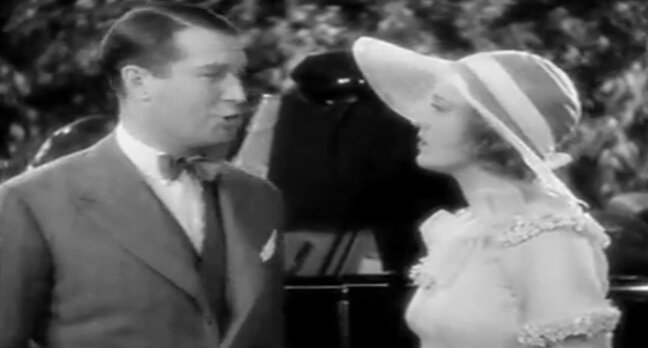
That snooty critic fart Andrew Sarris once mock-praised my old boss Rouben Mamoulian for his early cinema innovations that never quite caught on. Hah! When’s the last time you were so proud of your old boss’s work you wanted to make sure the world never forgot it? So—here’s the most audacious musical film sequence ever directed, which magically links up the movie’s two singing stars Maurice Chevalier and Jeannette MacDonald:
There were some particularly strong singers in the BBC Proms concert at the Royal Albert back in 2011 I take pleasure in remembering, on this gray Monday two days before The Inauguration. “Serenade” from The Student Prince was one of my mother’s favorite numbers, she just thrilled to it, especially when Mario Lanza was singing. “Can’t Help Singing” was in my Deanna Durbin Songbook when I was a teenager. “The Man That Got Away” was sung at my friend’s funeral—the friend who left me all his Andre Previn records—by his grieving lover. And then there’s “Secret Love”.
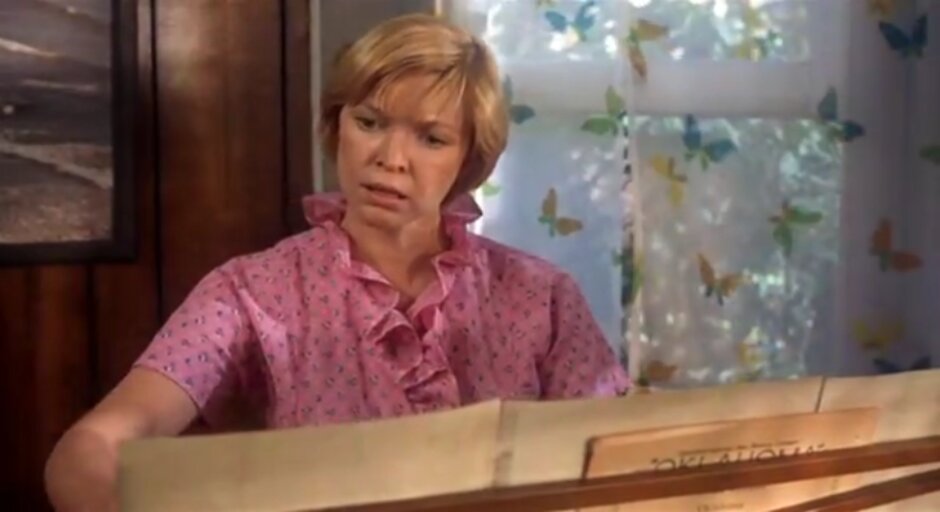
Another love song to you,John Wilson my darling, my bonny, my Tyneside lad. In Alice Doesn’t Live Here Anymore (Warner Bros 1974), Scorsese’s fourth feature, my favorite actress in the world Ellen Burstyn plays Alice Hyatt, a New Mexico housewife suddenly widowed and left without means of support, who decides to try to return to her childhood home of Monterey, California and make a go of it again as a professional singer.
When you’re awake
The things you think
Come from the dreams you dream
Thought has wings
And lots of things
Are seldom what they seem
Weak and breathy as her voice is, she keeps the tune and the beat throughout the entire song—Scorsese has her sing the entire song, with intro—and something about the way Edna Rae (Burstyn’s original name) sings (imitating Peggy Lee above) appeals to me so much I come back to this scene again and again. Maybe it’s that her through-line is surprisingly strong. By the way, you do notice the sheet music for Oklahoma! on the piano…
As I once pledged, I will go almost anywhere my beloved conductor John Wilson leads me; and so it was a remark of his that led me to this movie, which in the mid-90s was an estimable hit in the UK, though not so much here in the States. When asked by The Telegraph about his early musical influences, said John, “Brass bands. Coming from a working-class background, the tradition of amateur music-making was important to me…”
There’ve been a couple of other, better known (in the US) British films, The Full Monty and Billy Elliot (here’s Billy’s angry dance), which also address the economic/unemployment crisis in Britain that, back in the 80s, did its part to whittle away at arts education throughout the country, particularly in the north. Like I said, my beloved conductor‘s remarks in recent interviews about his early influences started me thinking not only about his musical but general education growing up in Gateshead in the 80s. I’ll take this on in an upcoming post. The contrasts / similarities between his musical influences and school training—as a northern Brit through most of the 80s—and mine—as a midwestern American in Minneapolis through the mid 60s-early 70s—I find worth examining, and not just because I’m hopelessly in love with the bloke.
For now, this is what I take away from anecdotal evidence like Brassed Off and John’s childhood memories: The British, in general, seem to be more used to the sound of brass ensembles than Americans. Now, we like to think we know all about brass ensemble music because, being Americans, military marches and Sousa seem to stalk us everywhere we go in this great land of ours. But really, it’s not the same kind of music. I’ll discuss this in my review.
But let me just say this here: I will try to cut John a little more slack when it comes to his choices in orchestration for The Great American Songbook. I mean, if that’s really the way he hears it in his head…
John! John! I FINALLY figured out why you blocked me on Facebook a year ago, and it has nothing to do with the fact that I saw you in your undershirt.
No, it’s because in that review I wrote on Amazon of your chum’s book (and it was an 800-word, favorable, 4-star review, let’s not forget) I made a casual reference to that classical music site, SlippedDisc. That was it, wasn’t it?
Okay, I’ll cop to the poor joke. Not to my valid assertion, but to the poor joke.
But honey, I got it. Your misunderstanding was entirely my fault. And I want to apologize—like I say, I finally realized that whiff of “scandal sheet” might have put you off. You see, about 12 years ago, after a certain personal relationship of mine had been exposed (never found out the rat) and cunningly misinterpreted by the burgeoning so-called i-press, besides having to deal with the fallout in actual life, I also got decorticated for 4 DAYS RUNNING (four horrible, horrible days) on that notorious site Gawker, which in its heyday was pretty much the NY/Hollywood equivalent of SlippedDisc—only cruder, crueler and much more damaging—so I know what it’s like to be ducked in the swamp, so to speak. Would not wish that muck on my worst enemy.
But really, here’s how I know about SlippedDisc: About a year before I even noticed you, I’d been following the story of the outrageously dishonorable firing of English, Oxford-trained conductor Matthew Halls up in the boonies in Eugene, Oregon, once a small mellow city where I had had the pleasant experience of producing a San Francisco-based cabaret show (called The Rosy Black Life), but has since fallen into disrepair and racially-underlined civic unrest. I was interested because I recognized Halls’s name from my album of the Goldberg Variations (Halls is also a world-class harpsichordist, and my ears have always perked up to the sound of an interesting harpsichord ever since Vic Mizzy first played his own instrument in his own famous composition) and became fascinated and disgusted. Don’t want to go into the whole story here, but it broke on SlippedDisc and that’s why that site was the first thing which came to mind when I wanted to make a punch line.
Anyway John my love, just wanted to clear that up. I’m looking forward to your first online concert and will try to send you another psychic energy shot [UPDATE: Done 11 Jul 2020 23:30 UK time] before you video record. Meanwhile, Ella will tell you how I really feel about you.
“All the Things You Are” The Jerome Kern Songbook Oscar Hammerstein II, LYRICIST Ella Fitzgerald, vocalist Nelson Riddle, conductor-arranger Verve, 1963
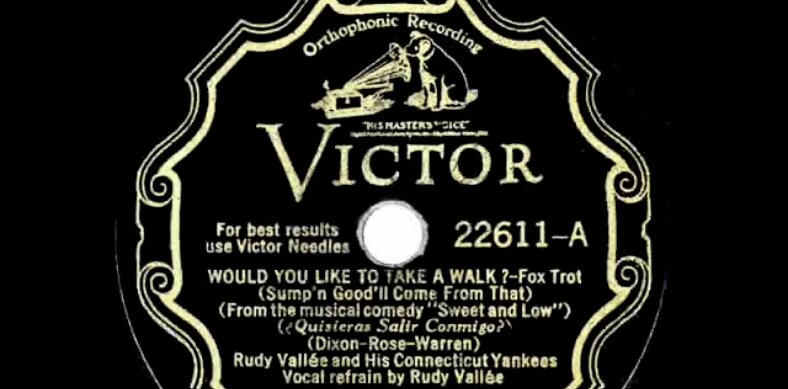 Above: Would You Like to Take a Walk? by Harry Warren, Mort Dixon, and Billy Rose, sung by Rudy Vallee.
 Above:

 Above: The full audio of
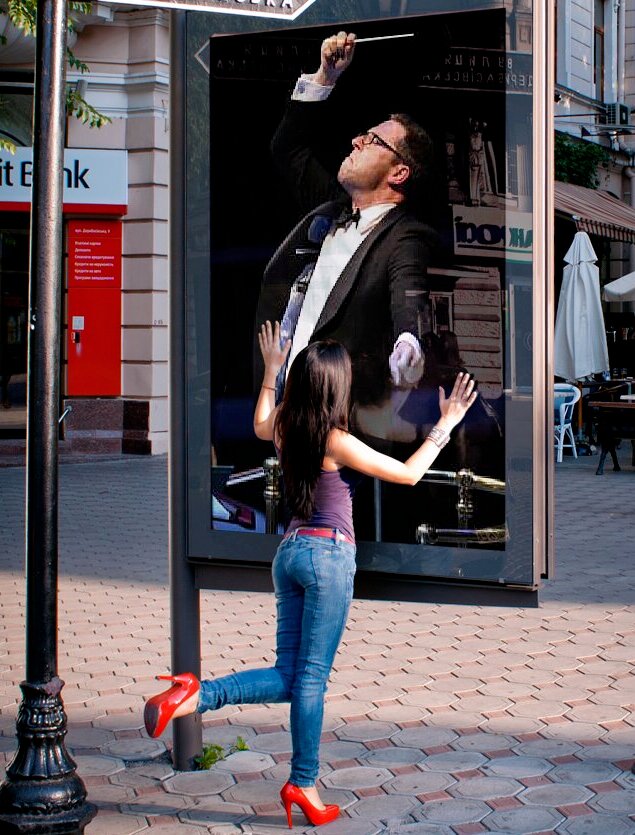
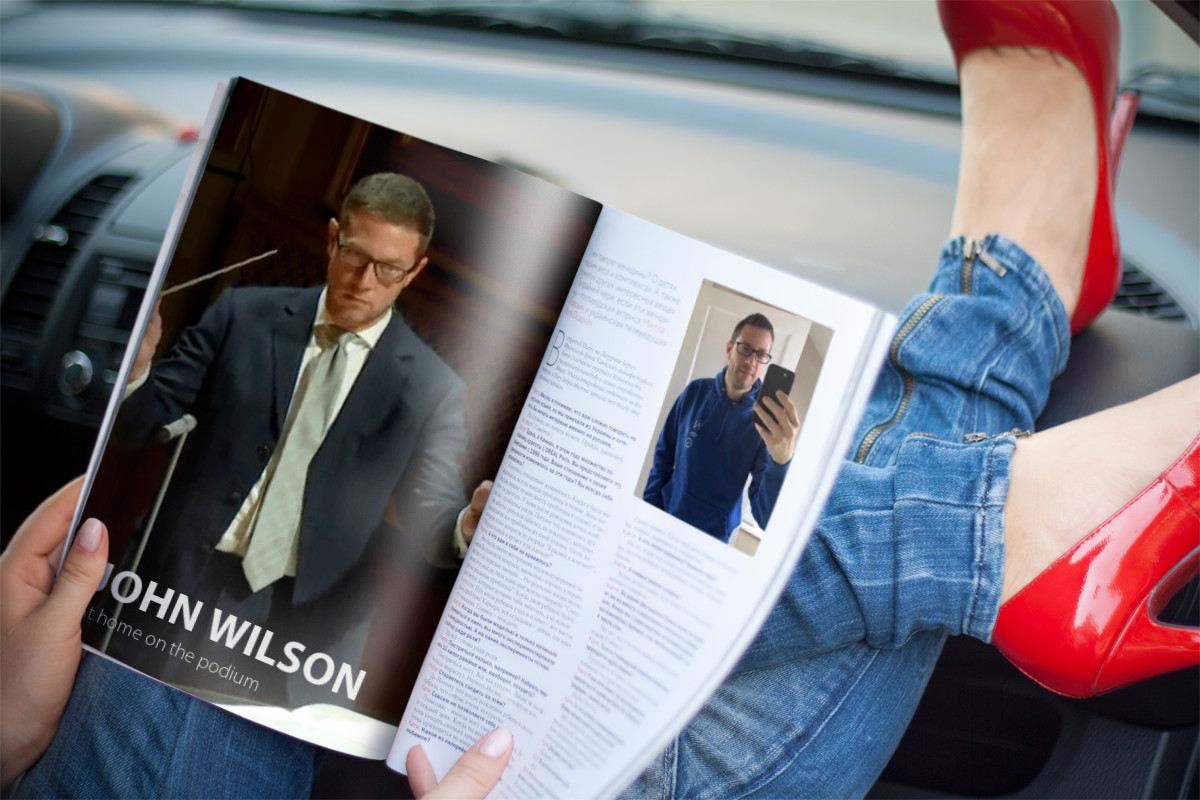
 Above the lovebirds:
 Weak and breathy as her voice is, she keeps the tune and the beat throughout the entire song—Scorsese has her sing the entire song, with intro—and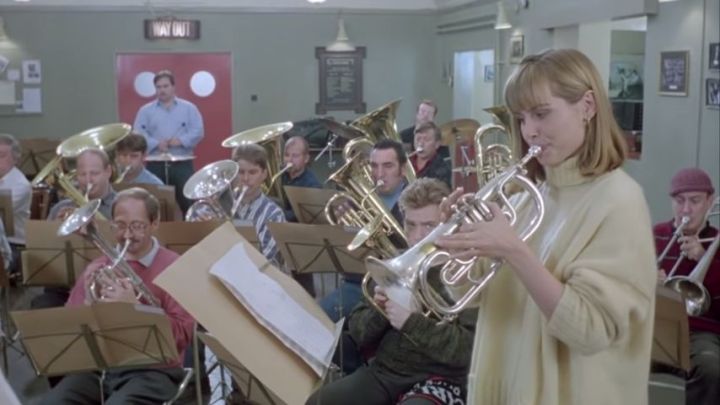
 Above John: “
 "I'll Be Dead Before You Break My Heart"