Hangover Square is a 1945 American film noir directed by John Brahm, based on the 1941 novel of the same name by English author Patrick Hamilton. The screenplay was written by Barré Lyndon (pseudonym of Alfred Edgar), who made a number of typical Hollywood changes to Hamilton’s pre-WWII black comedy novel, which sympathetically portrayed the denizens of London’s seedier bedsitters and pubs—the most notorious changes being 1) turning alcoholic protagonist George Harvey Bone into a classical composer-pianist; 2) turning down-and-out Hangover Square into a fakey-English-fakey-genteel neighborhood; and 2) setting the story in the early 20th-century, complete with tailcoats, corsets, chandeliers, the works.
The film was released in New York City on February 7, 1945, two months after its star Laird Cregar suffered a fatal heart attack at the age of 31. His idiosyncratic career lives on in his films—The Lodger, most notably, and this one.
Above Cregar’s mad composer: Bernard Herrmann’s composition by a mad composer, played by Ben Dawson and backed by the BBC Scottish Symphony Orchestra under the firm virile baton of my beloved John
From FilmScore.com, 2011: John Wilson, the current enfant terrible of British conductors, was in Glasgow yesterday, Sunday 18th September, to conduct Music To Be Murdered By: a varied selection of Bernard Herrmann, Alfred Newman, Miklós Rózsa, David Raksin, Richard Rodney Bennett and Constant Lambert film music with the Scottish Symphony Orchestra.
The rousing Overture from North By Northwest started off this marvellous concert and showed what both the orchestra and conductor were capable of. Then a short suite from David Raksin’s Laura (John) gave us another side of film music: soft, sweet and completely entrancing. More Herrmann next with the Prelude-Nightmare-Love Scene from Vertigo, superbly played with just the right amount of tension and tempo.
The Overture to All About Eve, Alfred Newman’s 1950 20th Century Fox classic film score followed and then pianist Ben Dawson joined Wilson and the BBCSSO to perform brilliantly the Concerto Macabre (John), the climax to Herrmann’s spine-tingling score from Hangover Square. The first act finale was Parade of the Charioteers from Ben Hur (John), Miklos Rozsa’s masterpiece—the orchestra and Wilson brought the house down with this rousing and spectacular performance.
More Herrmann started Part Two: Prelude-Murder-Finale from Psycho (John) . Just the right amount of brio and flair showed the appreciative audience just what a great conductor John Wilson is—he nailed this suite with consummate ease. He might have been channelling Bernard Herrmann here—one of the best performances of this music I have heard.
A suite from Anna Karenina, Constant Lambert’s (John) underrated score from the 1948 British film came next and Wilson told the audience that Bernard Herrmann had originally recorded this for a Decca Album, Great British Film Music. Then the thrilling Main Title from Marnie gave us more classic Herrmann and the concert concluded with the Christopher Palmer adapted Herrmann Suite from Taxi Driver and Richard Rodney Bennett’s Overture and Waltz from Murder On the Orient Express for orchestra, piano and…fire extinguisher! (simulated steam noise for the engine in this well-played piece).
The afternoon was a great addition to Bernard Herrmann’s centennial—and the almost-full auditorium at Glasgow’s City Hall proved that the audience certainly appreciated Herrmann, the Scottish Symphony Orchestra and conductor John Wilson, whose love of film and film music gave us a performance to treasure—and remember. ~Alistair Kerr
EXTRA! Because this is as good a place as any to put it, here’s Laird Cregar playing a surprisingly comic role in my old boss Mamoulian’s sweet 1942 romance, Rings On Her Fingers
Back in October 2019, on extremely short notice, my brilliant, bonny John Wilson substitute-conducted the state-run radio orchestra of Ireland, RTE, in a program of Brahms’s Variations on a Theme by Joseph Haydn, Robert Schumann’s Violin Concerto in D minor, and Dvořák’s quite listenable Symphony No 8 in G major.
Pinch-hitting for a sick colleague in Glasgow a month later, John conducted Brahms’s Haydn Variations, as well as Dvořák’s crowd-pleasing Symphonic Variations.
But it’s John’s performance of Britten’s Serenade for Tenor, Horn and Strings that really made me sit up. Written by Benjamin Britten for his live-in sweetie Peter Pears—who sang it (above) in 1943—Serenade, with its unlikely musical combination, is a remarkably rich work, just the kind of music that John should be involved in at this point in his career. Of course he conducted it splendidly in Glasgow.
From The Herald, April 2017: What does Englishness mean in early 20th century orchestral music? Is there a discernible sense of national identity woven through the symphonies of Elgar, Walton and Vaughan Williams, the tone poems of Holst and Bax and Delius? And if so, does it mean the same thing when we hear it now as it did then? These are contentious opening gambits. In 2017, in Scotland, in Britain, in Europe, we should know better than to prescribe any essentialising nationalistic attributes to a disparate group of artists. Yet for conductor John Wilson there is something in it, just not in any flag-clutching way. “The connection I can make with national identity is that there’s something about the melancholy of this music which is actually at the heart of the English character,” says John. “That’s what I respond to. That longing for something that was probably never there in the first place. It’s a peculiar English romance.”
John Wilson is the BBC Scottish Symphony Orchestra’s new associate guest conductor, taking over the role that Andrew Manze held from 2010 to 2014. He’s planning to use his position as an advocate for 20th century English, as well as American, music. Next week he’s in Glasgow to conduct Britten’s Serenade for Tenor Horn and Strings with tenor Ian Bostridge and horn player Christopher Parkes. Also on the programme is Elgar’s Third Symphony—a score that was unfinished until 1997, when composer Anthony Payne completed it using Elgar’s abandoned fragments. The aspects of struggle, doubt and nagging melancholy that linger just under the surface of so much of Elgar’s music are all there in the symphony, but they are made doubly poignant by the thwarted potential of a work that could have changed the scope of English orchestral music. For Wilson, Elgar’s finest moments equate to the musical clout of Beethoven.
Wilson is best known as a conductor of light music. He founded the John Wilson Orchestra in 1994, when he was just 22, and since then his dedication to the music of Hollywood’s golden age has achieved a two-way thing. On the one side, he has enticed fans of light music into the concert hall, and on the other, his attention to detail and the calibre of the musicians in his hand-picked band (including BBCSSO violinist Greg Lawson) have brought new status to music once dismissed as gushy and camp. If the classical music world now shows respect for the film scores of vintage MGM musicals, that shift in attitude can be largely attributed to nearly 25 years of period-performance championing by Wilson.
By branding his specialist orchestra with his own name, Wilson designated which repertoire he would be most widely associated with. Yet although he will always stand up for light music, in his various other conducting ventures he’s keen to emphasise that his passion extends to other repertoire. “I didn’t study MGM musicals at the Royal Conservatory of Music, I studied conducting,” he says. “I got a reputation for doing light music because that got all the publicity, but really light music was my dessert.” He smiles. ”I’ve always taken dessert seriously. As Karajan said, ‘light music was my medicine.’”
Wilson was born in Gateshead and grew up without anyone telling him what qualified as proper music and what should be considered naff. “The whole light music repertoire belonged to a couple of generations above me,” he told me. “This was the music they danced to, courted to, got married to. A lot of people have a nostalgic connection to it. Some of my professors were sniffy because they were too close to it, because it was the pop music of their youth and therefore something to be scorned at, but that doesn’t exist for my generation. We can see that a Cole Porter song is as serious in its craft as a Brahms symphony.”
Besides his admiration for the BBCSSO’s musicians (“am I allowed to say they are even better than I remembered? These dazzlingly good string principals”) Wilson says he was drawn to his new Glasgow position because this orchestra’s management never pigeonholed him as an MGM guy when others in the industry did.
“I first conducted the BBCSSO donkey’s years ago”—it was 2002—“doing light music and Christmas classics, that kind of thing. Then they kept asked me back to do interesting work that reflected my musical development. They weren’t always trying to shoehorn me into what everyone else thought I did exclusively. As I broadened my repertoire, they were happy to let me explore that. That’s why the relationship has lasted and why I’ve kept coming back.”
Now he’s looking forward to regular Glasgow visits for radio broadcasts and recordings for the Chandos label, starting with the music of Richard Rodney Bennett: “There’s a whole body of really eloquent fine music there that needs recording,” he enthuses. Next season his concert programmes include Elgar’s Cello Concerto and Walton’s First Symphony; Copland’s Appalachian Spring and the Third Symphony by American composer Roy Harris. In past interviews he has told me that his Desert Island Discs choices would include the Elgar symphonies, the Vaughan Williams symphonies and possibly American music by Copland, John Adams and Harris: next season he’ll be doing well by his wish list.
And, of course, there is next week’s billing of Elgar and Britten. “I can’t speak for anyone else,” Wilson says, “but I play these English programmes because I think that English music needs advocates. For years it was the province of a handful of English conductors, and when they died it went a little bit into the wilderness. I’m keen for it to come out of its old-fashioned straight jacket and to be seen for what it was, which was the flowering of a national school. It’s not just pretty pastoral wanderings.”
“Oddly enough,” he adds, back on the national identity train of thought, “some of the occasional pieces of Walton or Elgar might carry political implications, but they were never meant to be the great music of these composers. These were world composers and they knew it, even if the world at the time didn’t. They expressed global human sentiment. Vaughan Williams is a towering figure in terms of the great human statements—his Ninth Symphony and Sea Symphony are blazing visionary works for all of humankind. There’s a certain amount of reclaiming that needs to happen. There you go: does that amount to a mission statement?” ~Kate Molleson
So there they were, three generations of women: 2 born in the Old Country (Claudia-goddamn-veteran-of-goddamn-Stalingrad, and Nadezhda, born to postwar privations) and 1 born in the New (Paige, our Typical American Pesky Teenager) watching this amiable story of romance in the Workers’ Paradise, 1981 Oscar winner for Best Foreign Film, Moscow Does Not Believe in Tears.
A perfect moment that encapsulated the experience of almost all immigrant families in America, not just Russian spies.
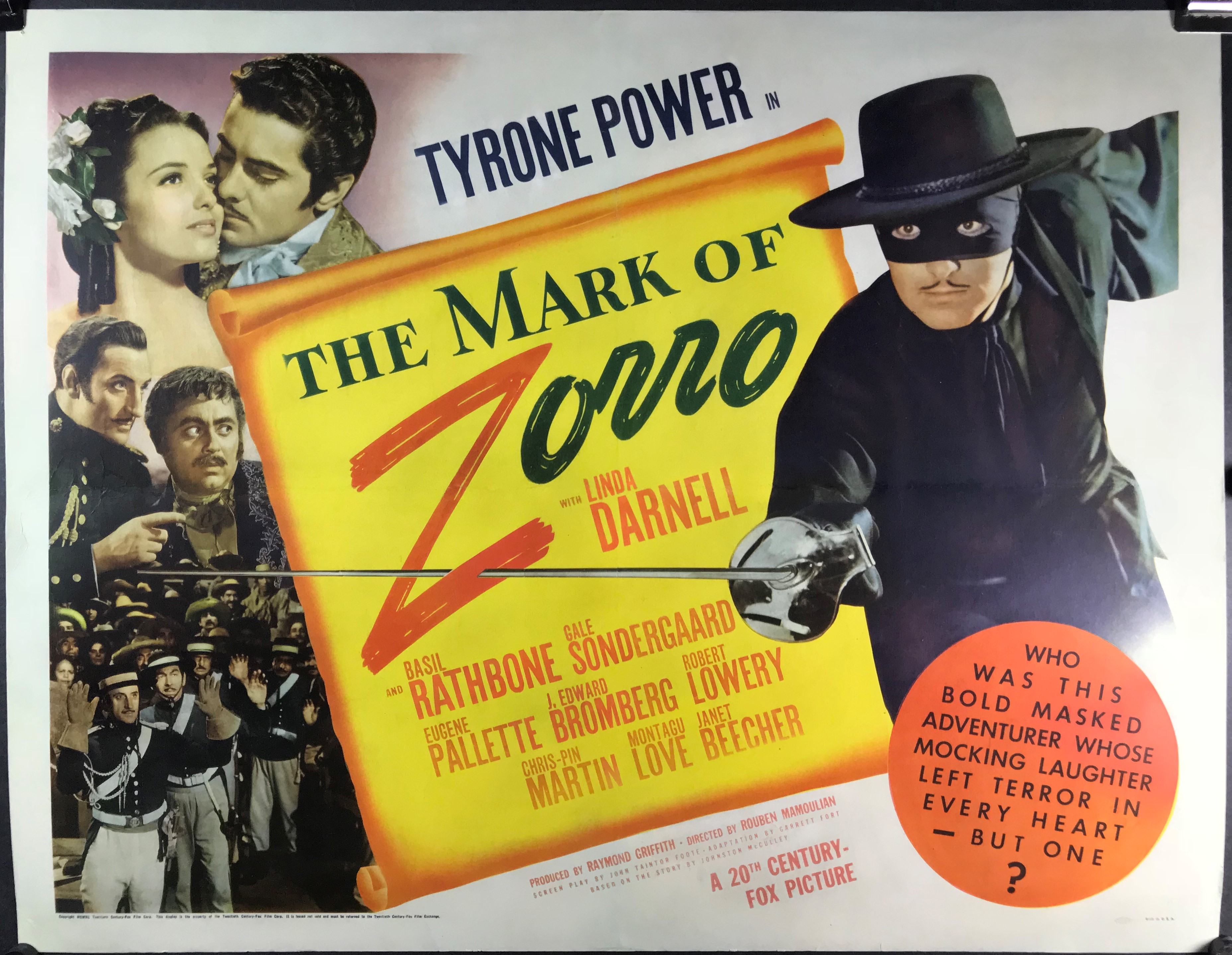
A weekend doddle before I start the big book. The first day I went to work for Mamoulian, he asked me outright if I knew any of his movies. I told him yes, this one. Which all of you probably know like I do, from TV. (Catch it here.)
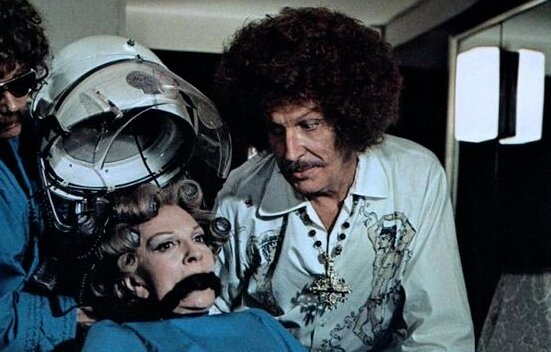
Price’s infatuation intensified, regarding Coral as “the Great Barrier Reef—beautiful, exotic and dangerous. I was like a bird dog!”
“I remember he electrocuted me on my birthday,” Browne recalled when she performed her death scene with Price. Ironically her acting isn’t very good in this scene because she doesn’t look even remotely terrified of her murderer. Instead, she prefers gazing into his eyes instead of screaming in fear.
After the day’s filming, Price once again approached Diana Rigg for advice. “I said to Diana, ‘I understand it’s Ms Browne’s birthday. What could I get her?’ And Diana said, ‘Well, you know what she wants. You!”
And from then on,” added Rigg, “they never looked back. I think they fell into bed and I think it was a wildly sexual relationship. Incredibly sexual. I remember Coral saying that they worked out their combined ages were 120-something, and when you saw these absolutely shagged out people on the set, it was really quite funny. And that was the start of it.”
Before we get to what I think will be a nice and fair assessment of John Wilson’s 2020 recording, a word to some people.
I have always been aware of the tacit agreement that exists between my screen persona Simona Wingand her fans, but let me now take this opportunity to state my position clearly: You all have my blessing to do whatever you want with me in your fantasies.
I didn’t realize this was still a thing in the music world, but apparently opinions continue to be strongly divided as to whether Erich Wolfgang Korngold—a true heir, by the way, to The Great Mittel European Romantic Tradition—deserves inclusion in the canon some snooty farts call the Classic Repertoire. When you mention the name Korngold, even the most knowledgeable music lover’s first thought is of upmarket movie soundtracks (Anthony Adverse—The Adventures of Robin Hood—The Sea Hawk—Captain Blood) and likely never gets around to the fact that Korngold wrote, among other things, the most luscious symbolist opera of the 20th century, Die Tote Stadt, in 1920, and a hell of a gorgeous violin concerto 25 years later:
So it seems like every generation there has to be one nut who comes along and says, Let’s run Korngold past the hoi-polloi again and see if he’ll fly—and if you think I’m talking about you, John Wilson, you’ve got a swelled head. Because the nut I’m talking about is the nut in the CIA. The anonymous nut who got The Company to fund an enterprise back in the early 70s called “The Golden Age of Hollywood Music” and hence to elevate Korngold to the status of Hollywood Royalty—but through his film scores and his film scores only.
But that story later.
We’re here right now not just to size up a new Korngold recording, but to honor the decades-long musical relationship of Andrew Haveron, violinist, former Leader of The John Wilson Orchestra, current Leader of the Sydney Symphony Orchestra, and conductor John Wilson, whose career in orchestra building started at the age of 22 and hasn’t stopped since.
Korngold’s Violin Concerto in D, their latest Chandos release, was going to get my attention with or without the Winsome Lad of Low Fell anyway, as I’m a sucker for this particular style and era of music. But I was glad to learn about their actual friendship as well; for me it explains why the perfect communication that’s so evident here between Haveron and my John (and through him, to the estimable RTE Orchestra) has some of the magic of Barenboim+du Pré, back in the brief days when those two were cooking hot with Elgar.
This is soloist Haveron’s star turn: a warm, fresh, intimate—revelatory even—rendition of a piece that, let’s face it, is kind of like the “Nessun Dorma” of violin concertos. But this is John’s success too. So much of my bonny’s gift for conducting Korngold, as we know, has to do with his insistence on a technique his PR people call “shimmer” but is actually wrist vibrato on strings, a technique in fingering I learned about and taught myself when I was 14 because I liked the sound it made, although when the orchestra teacher put it down for sounding cheap and sloppy I quit it.
But I know the sound of shimmer and you do too. The John Wilson Orchestra practically patented it. John himself still calls for it whenever he conducts Tchaikovsky. It’s in all the high-toned movies of the 1930s. It’s also in Rouben Mamoulian’s classic film musical Love Me Tonight (complete film here) courtesy of Paramount’s musical director Nat Finston, who understood what he was talking about when, in a certain musical scene, he said he wanted “crying violins”. I could tell what he was talking about when Mamoulian told me this story 46 years later.
That snooty critic fart Andrew Sarris once mock-praised my old boss Rouben Mamoulian for his early cinema innovations that never quite caught on. Hah! When’s the last time you were so proud of your old boss’s work you wanted to make sure the world never forgot it? So—here’s the most audacious musical film sequence ever directed, which magically links up the movie’s two singing stars Maurice Chevalier and Jeannette MacDonald:
Barbara Stanwyck was 32 and a box-office star when Paramount contract player William Holden, 21, was personally cast by director Rouben Mamoulian as the lead in his film based on Clifford Odets’s Broadway melodrama of art vs fleeting fame and riches, Golden Boy. Holden was nervous, awkward, and about to be replaced when something about the young player touched Stanwyck’s heart. She took him in hand, coached him personally and kept him from distractions (like studio publicity)…
Thity-nine years later, at the Oscars Holden had this to say to the world:
Above Holden and Stanwyck: There are only a few genuine moments in the history of the televised Academy Awards. This is one of them.
25 May, 2019. This afternoon someone in Glyndebourne will be cutting my beloved John Wilson’s cake into tiny little slices, and so I wish them all well at the gathering.
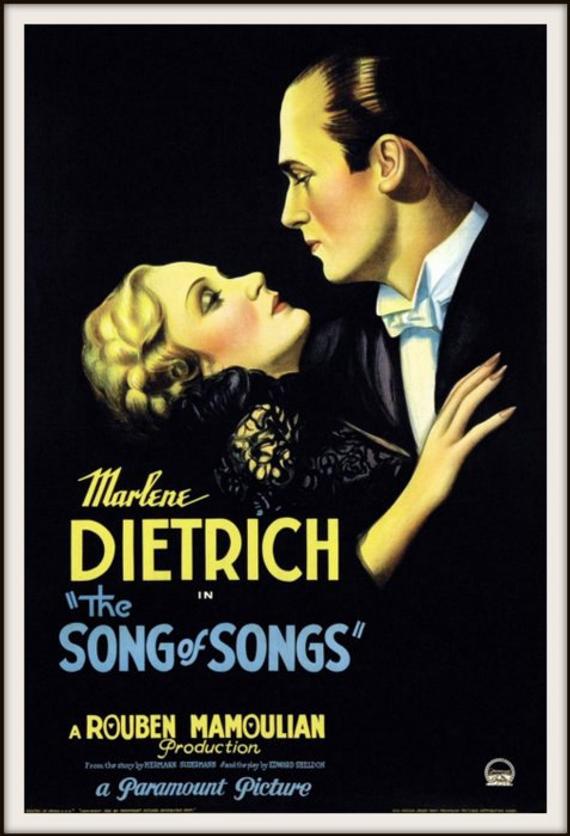
La Dietrich inspires a handsome young English orchestra conductor to artistic heights with her transfiguring and deeply sexual love in this erotically frank Pre-Code movie from Paramount. If only you understood dirty German, my bonny…
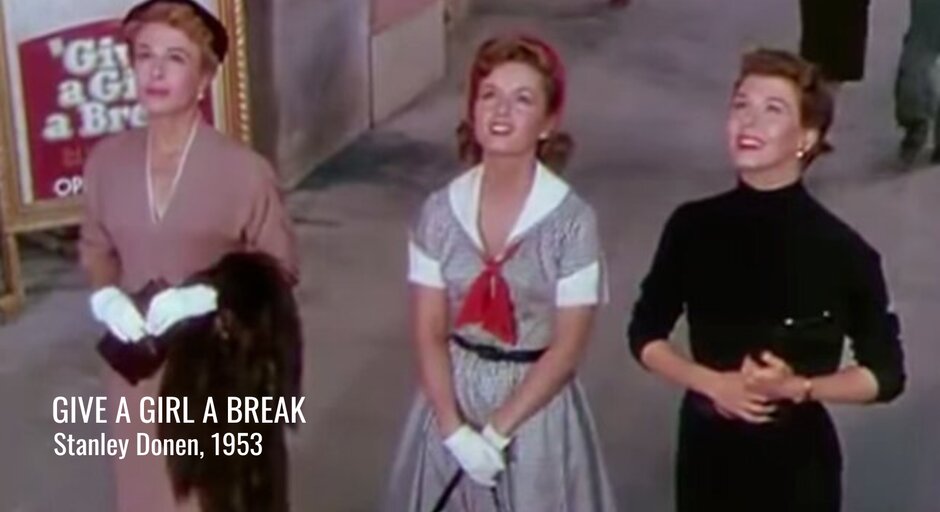
Give a Girl a Break (trailer here)is a US 1953 musical comedy film starring Debbie Reynolds and the dance team of Marge and Gower Champion. Helen Wood, Richard Anderson, Kurt Kaszner and a young Bob Fosse have featured roles. At only 88 minutes, Give a Girl a Break shows residual elements of the big project it started out to be, with a passable score by Burton Lane and Ira Gershwin, direction by Stanley Donen, and musical direction by Andre Previn.
Above Marge, Debbie and Helen: The overture to the 2012 Proms My Fair Lady, with John conducting The John Wilson Orchestra in his own arrangement of Andre Previn’s orchestration of the film score.

 No, not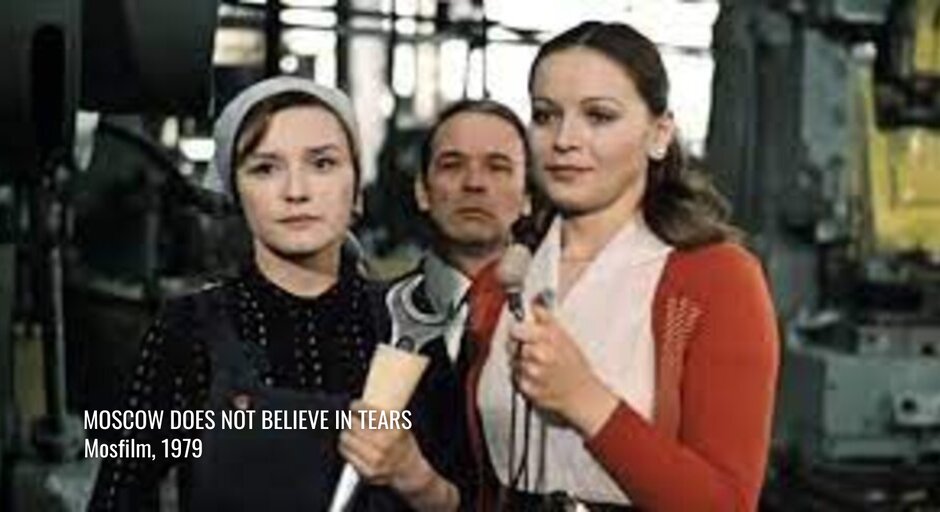
 Above:
  Above Diana Rigg, Coral Browne and Vincent Price: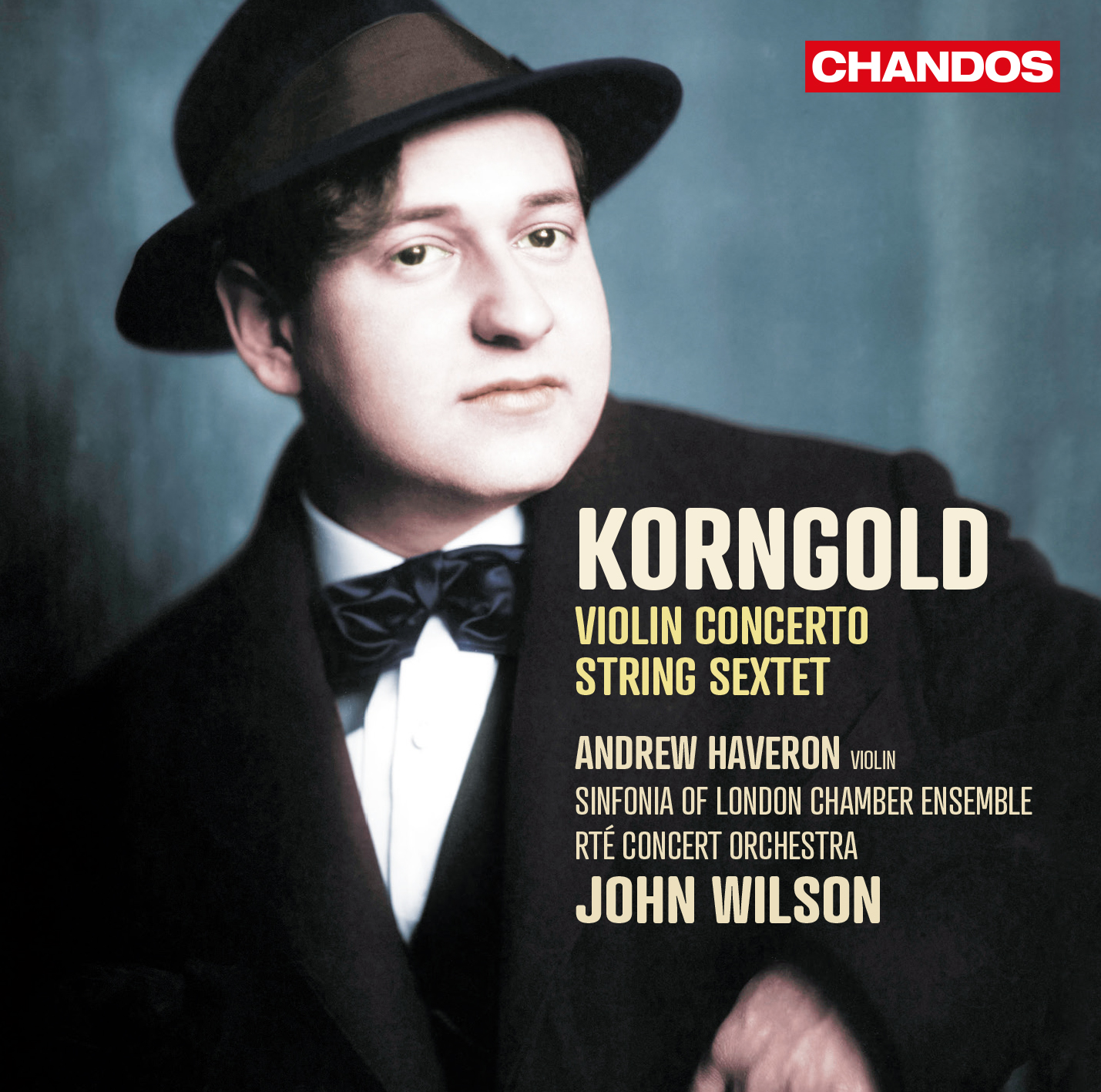
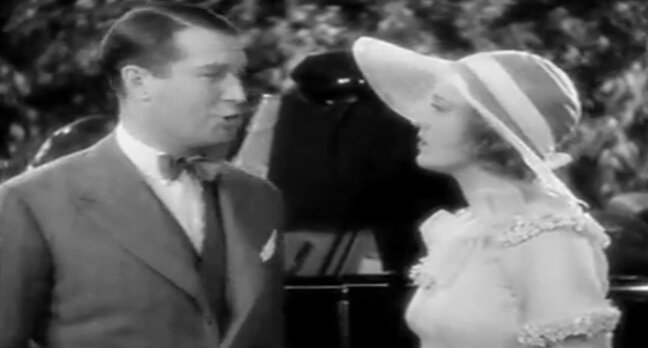 Above the lovebirds:
  Above Holden and Stanwyck: There are only a few genuine moments in the history of the televised Academy Awards.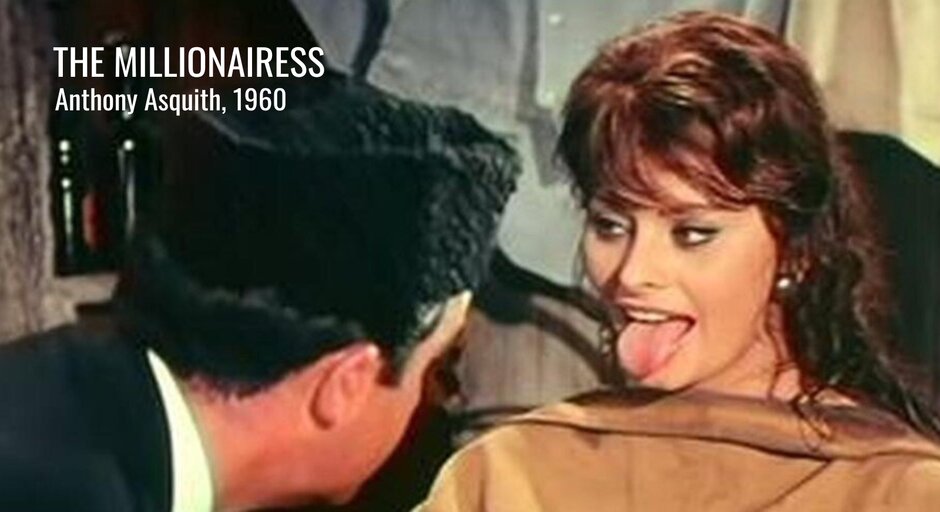
 "I'll Be Dead Before You Break My Heart"