How’s this for a coincidence? The man who gave my bonny John Wilson—then a struggling young conductor of 23—a wristwatch that belonged to his father was the same man who authored Rizal: Philippine Nationalist and Martyr (download book here), a well-researched, well-regarded Oxford Press bio of the legendary hero of the Filipinos, Dr Jose Rizal (1861-1896).* Something about you obviously touches the hearts of old men, John. The man’s name was Austin Coates (1922-1997), son of the English light music composer, Eric Coates (1886-1957). (Download his “Dancing Nights” conducted by my beloved John Wilson with the BBC Concert Orchestra here.)
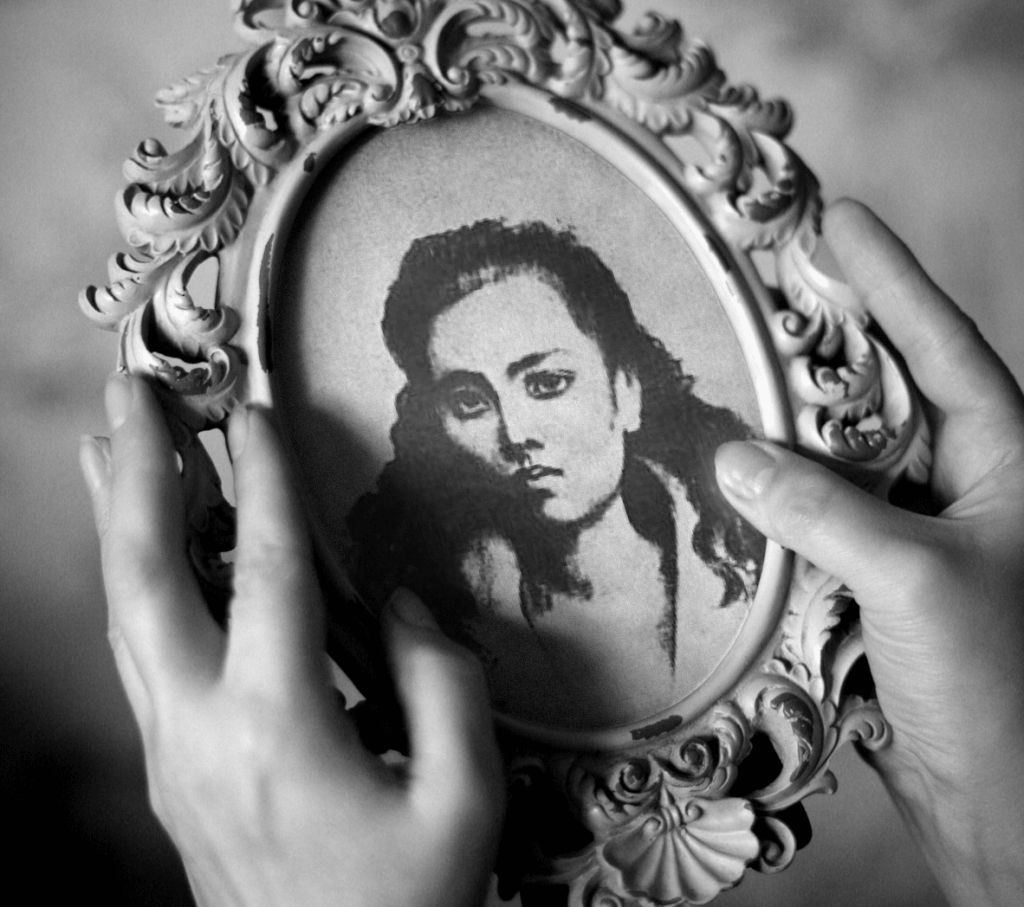
Novelist Rizal modeled the heroine of his first novel, Noli Me Tangere, after his distant but constant lover. Maria Clara represents the Ideal Filipina: beautiful, feminine, loving, faithful, pious and true; she also gives her name to our traditional dress.
It was Leonor’s letters, letters filled with love, sweet reminiscences, and encouragement, that kept Rizal going throughout his years in Europe, first as a lonely medical student, then as a crusading novelist. I can feel the exquisite pain of their long-distance romance when I hear the song above.
*Pinoy alert! The complete TV bio-series in Tagalog, Illustrado, is on the GMA channel on YouTube and can be accessed here.
From Gramophone.com, September 2016: “I’ve always been fascinated in the byways of music,” says conductorJohn Wilson, picking up the score to Aaron Copland’s Second Symphony and half-studying the typeface while he talks. “Back at college when all my friends were getting in a lather about Mahler, I was more into Lord Berners and bits of Walton that people hadn’t heard for years.”
Wilson is a self-styled anomaly in the conducting world. He’s utterly serious about light music, cheerfully and loquaciously Geordie in a profession that traditionally trades on pomp and grand personas. He’s as fastidious about authentic performance practise as any baroque specialist, but the repertoire to which he applies those principles of original instrumentation and historically informed interpretations is one that only recently earned enough clout to make it into the Proms. If the classical music world now shows respect for the film scores of vintage MGM musicals, that shift in attitude can be largely attributed to two decades and counting of championing by Wilson himself. Because since founding the John Wilson Orchestra in 1994, his dedication to the music of Hollywood’s golden age has achieved a two-way thing: on the one side he has enticed fans of light music into the concert hall. On the other side, his attention to detail and the calibre of his hand-picked band have brought new status to music once dismissed as gushy, camp and saccharine.
By giving his own name to his own specialist orchestra, Wilson determined the repertoire that he would be best associated with. And yet in his other conducting positions—Principal Conductor of the Royal Northern Sinfonia and the RTÉ Concert Orchestra Dublin, newly appointed Associate Guest Conductor of the BBC Scottish Symphony Orchestra—he is keen to emphasise his aptitude for broader repertoire. “I always took an interest in that exciting time after the First World War,” he tells me by way of example. “And I probably have the biggest satisfaction from getting my hands on Brahms.” His desert island conducting choices? “Oooh, I’d take the Elgar symphonies, the Vaughan Williams symphonies, possibly American music by Copland, John Adams, Roy Harris.” His latest recording is the second in a series of Copland orchestral works with the BBC Philharmonic for Chandos. There isn’t much trace of light music in the jagged edges and sharp punches of the Second Symphony, the Organ Symphony or the Symphonic Ode.
Wilson maintains that there has never been a division in his mind between music that is ‘light’ or music that is ‘serious’, but accepts that isn’t the case for everyone. “The root of my passion is my love of songs,” he says. “Songs of Britten or Ireland or Cole Porter. Ella and Frank singing Gershwin. I just assumed it would all be part of my repertoire and I never put anything in a ghetto. So when we [the John Wilson Orchestra] did our MGM Prom in 2009 and a telly audience of 3.5 million saw that real seriousness of research had been applied to those scores, I think that’s when I felt a big shift in attitudes. My orchestra had spent 15 years learning how to play that music. I put together the performing editions just as any musicologist would prepare Handel or Vivaldi. Maybe it was because it was the the Proms, maybe because it was an orchestra full of incredibly serious players, but somehow we managed to get a lot of people who wouldn’t normally go near that repertoire to sit up and listen.”
Wilson was born in Gateshead on Tyneside in 1972—which, if you do the maths, made him just 22 when he founded the John Wilson Orchestra. “The whole light music repertoire belonged to a couple of generations above me,” he says. “This was the music they danced to, courted to, got married to. A lot of people have a nostalgic connection to it. Some of my professors were sniffy because they were too close to it, because it was the pop music of their youth and therefore something to be scorned at, but that doesn’t exist for my generation. We can see that a Cole Porter song is as serious in its craft as a Brahms symphony.” That’s the kind of bold claim that earned him a few raised eyebrows as a student of composition and conducting at the Royal College of Music, where a couple of teachers told him he should be immersing himself in “proper” compositional techniques.
But even then he already knew exactly what he wanted to get from sitting through those classes in advanced orchestration, exactly what repertoire he wanted to use those tools to excavate. “I’ve produced all my own parts for the Strauss waltzes with all the repeats written out. Heck—I just made the print bigger and suddenly orchestras enjoy playing them because it’s not a panic trying to find which bloody repeat to play!” Wilson is pragmatic about such unromantic things as notation size and syntax. “If the music is printed too small,” he shrugs, “half of your brain gets used up just trying to decipher the stuff. I want my players to be totally involved in the the music. The librarian of any orchestra,” he adds, “is a crucial figure. Unsung heroes.”
We’re talking at MediaCity in Salford, where Wilson has just conducted a lunchtime concert with the BBC Philharmonic and is preparing for an afternoon session recording Copland’s 15-minute Second Symphony of 1933, also known as the Short Symphony. This is not the populist, generous Copland of Appalachian Spring, Rodeo or Fanfare for the Common Man—repertoire included on the first instalment of the Wilson/BBC Phil Chandos series. About that first disc, Gramophone’s reviewer wrote that “Wilson secures superb playing from the BBC Philharmonic… the three ballets receive strongly characterised interpretations, as piquant and affecting in the slower passages as they are punchy and ebullient in the faster ones.”
Now Wilson describes the music on the second disc as “hard as nails” and “totally uncompromising” in comparison. “He had created this instantly identifiable sound—the ‘wide-open spaces’ sound that we all know and love. Nobody had done it before and suddenly loads of other American composers started imitating him. But he was also a proper composer, ferociously accomplished, who developed ideas out of very small cells. He had worked hard as a student of Nadia Boulanger to get his technique into shape. He worked hard every day of his life, and he knew about concision. The Second Symphony is compact and concise, which is never a bad thing… He stops once he’s said enough!”
Wilson is sanguine about the particular challenges of bringing this compact, astringent score to life. “I’ve been trying to analyse what makes it quite so difficult,” he says. “There are plenty of pieces with changing time signatures and rhythmic complexities: that’s meat and drink to orchestral players. But with Copland’s Second Symphony there isn’t a single extra note in the score. It’s like Mozart or Rossini or Mendelssohn in that it’s got to be so perfect for it to work. There’s nowhere to hide.” He looks up and grins. “It’s the musical equivalent of standing in the middle of Oxford Street in your underpants!”
But should this music sound perfect? Has one side-effect of Copland’s wide-open-spaces popularity been a performance tradition that flattens out the edges, softens the harshness? “Possibly,” Wilson acknowledges. “And actually you do want a bit of tussle. We need to play the music in until that tussle becomes something we can do with conviction and style rather than with difficulty. But no, I don’t think that these pieces—the Ode, the Variations, the Second Symphony—I don’t think they’ve been played enough for any performance tradition to have been built up. I’m hoping that by recording them now we can be new advocates.”
Since lunchtime Wilson has changed out of concert dress and into his civvies—jeans, Adidas trainers, untucked checked shirt, thick-rimmed square black glasses. That casualness transfers to the way he works with the orchestra, too. During the session he is brisk, friendly, funny, courteous. He doesn’t waste time and he seems to know what he’s looking for: a sound that is bright and punchy, rhythms that are super-crisp and projection that is sharp-edged, almost metallic. He also seems to know how to get it quickly, with a minimum number of instructions. The physical gestures he makes are notably low key, and when the music hits a catchy rhythm he begins to wiggle. He talks with a smile but he doesn’t crack many jokes.
He’s not an incessant stopper, either: he lets the orchestra play for a good five minutes before interrupting. “Legato, eloquent, bright,” he tells the strings. “But make sure the sound is switched on. It lacks a little ardour. It’s all rather surface. the sound needs more weight.” He reaches a passage where the violins and violas divide desk-by-desk. “We need very fast, very narrow vibrato on each note. Really brilliant. What you just did? That was fine, but it sounded just ordinary.” Later he looks for the sweet spot of clarity and charm. “Can it be marcato and still melodious?” he asks. “Can it be legato and still have clean definition on the lines?” He turns to the violins: “go for a really high-risk top note. A bit of scratch and strain in the sound will do no harm at all.”
During the break I ask whether the lushness and brightness so audible in the first of his Copland discs for Chandos influence the sound he is going for in the Second Symphony. “Sure, a little,” Wilson replies. “Probably most of all in the slow movement. Though I don’t think of it as a luscious sound so much as a very clean sound. The way he scores with gaps in between high notes, low notes and middle notes… We’ve been talking a lot about gaps. So much of his rhythmic trickery comes where you don’t play. He’s brilliant at conjuring exciting rhythms with gaps.”
It is fascinating listening to Wilson work on thorny mid-century symphonic repertoire while bearing in mind his bent for MGM heritage. Does he hear any parallels himself? Does the style he’s developed with the John Wilson Orchestra filter into the work he’s doing here? “Well, Copland was born in 1900 and raised in Brooklyn. There’s no chance he could have not absorbed influences from Harlem, from Gershwin. It’s all there in the music. Put it this way: if I’m conducting a Fred Astaire dance routine, those rhythm have to be executed with great style. The string playing has to be faultless, delivered with real ardour and perfection. The brass playing has to have a certain swagger. It has to be cleanly articulated with a ton of accents. And none of those characteristics would do any harm in Rodeo—they wouldn’t do much harm in The Rite of Spring, either. Basically we’re talking here about playing with commitment.”
And what about the Americanness of the sound, I ask. Regardless of whether each Copland score has gathered its own performance tradition, does Wilson try to capture attributes of a quintessentially American orchestral sound? “Possibly,” he replies. “Copland’s ballet scores are best known in the New York Philharmonic versions conducted by Leonard Bernstein. The thing that stands out to me there is the trumpet sound: totally ballsy—that supreme confidence of all the New York brass playing right down the line, so super-confident and spirited but refined, too, not just a load of machismo. There’s a certain vigour to those Wild West pieces, a certain swagger. Which is not the first adjective you’d use to describe British brass playing. Here we specialise more in gentleman brass playing: warm, neat, very accurate.”
The aim, he stresses, is not to try to imitate that vintage American sound, “but there are stylistic parameters that we have to try to fulfil. It would be a mistake to play these pieces in a completely British way—we have to just go for it. And actually, Copland doesn’t give us much choice. He marks down very clearly what he wants, which means that with a lot of this music we’re leaving the arena of personal taste and entering into being either right or wrong. With the symphonies, if we play 90 percent of what’s on the page then most of the work is done for us. Then we get the luxury of refining the sound, taking the music to places it has never gone before.”
Meanwhile Wilson is also taking his own audiences—the following he has built via his John Wilson Orchestra—to places they have never gone before. I suggest that the gentler start to the Copland series might have helped to lure in some listeners and he laughs. “Well, there is a responsibility there,” he says. “People are paying money so it is really important not to betray their trust and go too far. In general I hope I can programme in a way that takes the audience places they’ll enjoy when they’ll get there. The language of a Judy Garland song is exactly the same as the language of a Rachmaninov symphony, so I feel great about making that leap. Navigating from MGM musicals to Korngold film scores to Copland’s marvellously thrilling Organ Symphony? Sure, that is a nice little trip! And if we play with enough conviction, if we are totally convinced ourselves, then I am sure that people are happy to come with us.” ~Kate Molleson
John mi vida— It may be likely that we’ll actually meet up sometime or another, since I give not only to the Academy but to the College as well (although I’m thinking of becoming a Friend of the College this year because one, Pru and Emma at the main office have been very kind, and two, I’d like to visit the RCM’s brand-new museum), and so perhaps my few dollars might wangle me an invitation to one of those “Meet the Fellows” wine-and-cheese thingies you as a Fellow are encouraged to attend. If that happens, how about coming over and saying hi to me? I won’t bite. I forgave you for Oklahoma! a while ago.
I like to post short little items like this when I’m in the middle of big writing, which is where you find me now. This tune was tremendously popular in the jukeboxes of the Castro, circa late 1970s, before and after AIDS first hit. So ubiquitous was Jane Olivor’s rendition novelist Armistead Maupin couldn’t ignore it—this was the song that brought Michael “The Mouse” Tolliver to tears in the first volume of Tales of the City. Put this on and there isn’t a dry eye in the room, whether you’re thinking of a dead lover or a living one. I think of both.
Above: “Some Enchanted Evening” written for the 1947 stage musical South Pacific, music by Richard Rodgers, lyrics by Oscar Hammerstein II. A song has lyrics, John my love. This is how I speak to you.
If you can get over to Belgium, this’ll be almost as good as the The John Wilson Orchestra at the BBC Proms. Performing at the 5 year-old, acoustically perfect, 2000-seat Queen Elisabeth Hall in Antwerp, the Antwerp Symphony Orchestra under John’s baton will be offering a Saturday evening filled with old favorites:
6 September, 2021. Labor Day. (Bosses 2 – Labor 1) I suspect a few people in the UK might lately be visiting here as part of their Monday morning getting-into-gear ritual, so apologies for the lateness of this new posting, but I had to make the potato salad. Mister Grumble likes my potato salad.
Another reason for the delay: I needed to see what John was wearing for this radio concert, because the work clothes my bonny chooses to wear for any particular program always convey a meaning to me—so I had to wait for his picture (forget the bullshit reviews) to come out in The Guardian or The Independent… As you can see below, he was attired in a simple concert tuxedo, which I truly hope was comfortable. (Still wore his lucky cufflinks, though.)
Above: Erich Korngold’s Symphony in F, Conducted by John Wilson and played by the Sinfonia of London, BBC Proms, September 2021.
The importance of John Wilson’s white tie and concert tailcoat. This is what I couldn’t determine during the early days of my passion for John: Whenever he wore the tailcoat at the Proms conducting The JWO, his fancy showtunes orchestra, I wondered, was it because he was following in the historically deep tradition of maestros (Bernstein, Barbirolli etc) in dignified full dress…or was it just part of the show? So when John eschewed the tailcoat for his very important 4 September “Viennese” concert at the Royal Albert—where he could have so easily camped it up—this is what his choice said to me:
This music is serious. This presentation is serious. Spectacle doesn’t apply here. Sentimentality doesn’t apply here. Pay attention to the music! An assured, masterful bit of programming—not just some splashy entertainment, but a true, potentially life-changing encounter with Art. For only ten bucks a bottom-price ticket, I understand. I hope you Brits appreciate what you have.
John, dearest: It was only quite recently that I decided the satisfaction I get, devising interesting fantasies about making love to you in full dress (in my imagination we’re both in our work clothes, you in your tailcoat, me in my sarong), belongs best in a particular narrow stream of writing that has nothing to do with the way I regard you in real life: as a fellow artist I’d enjoy exchanging energies with. So, hooray for your concert blue suit, your concert tuxedo, your rehearsal T-shirt, all of which remind me that an actual human being strives and pulses behind the baton to create something beautiful.
Which brings us to the concert program. I don’t know the Berg so I’ll let that one alone, except to say the soprano has a nice strong tone. The Zemlinsky encore? You clever lad. Your Ravel waltz is as tight as when you conducted it at the Royal College, here even more ravishing coming from a fuller orchestra. I’d also get a kick reading your markings for Strauss’s Die Fledermaus Overture—have never quite heard those musical values brought out before. Very yummy.
The third movement of Erich Korngold’s Symphony in F. The Mister and I have exchanged a few strong words on this subject; however, since one cannot talk reason to a woman in love, I’m not going to include his remarks here. It’s a wonder that this single movement can bring out such contentiousness among people, even in someone like Mister Grumble, who wouldn’t’ve given a fig for Korngold if I hadn’t rediscovered Korngold through mywanton passion for conductor John Wilson andall the music that surrounds him. Even Leonard Bernstein and his protegee, John Mauceri, couldn’t agree: read my earlier post ”Leonard Bernstein Hears Korngold’s Symphony in F-sharp for the First Time”… [going off to make dinner, spaghetti with chicken-tomato sauce, back asap]
For you fans, here’s the program for my bonny‘s 4 September, 2021 concert:
Johann Strauss II: Die Fledermaus Overture (!!!) / O happy the audience who experiences this Viennese treasure at the Royal Albert with a full orchestra conducted by my beloved John
John: I think with Light Music generally one of its primary requirements is to ‘land in the listener’s lap’. It has to have a direct route to the listener’s emotions. You mention the Haydn Wood London Landmark Suite… In the 1930s from about 1933 onward, with Eric Coates’s London Suite, there was a sudden vogue for London—it was an illusory London, but it was very useful for these composers who wanted to express these sort of picture-postcard scenarios in music… Eric Coates did that very effectively with his London Suite in 1933. Now, why did people suddenly start copying Coates? It’s because it was enormously successful… It sold 400,000 copies of the 78 [record] and suddenly of course dollar signs started flashing in front of the publishers’ eyes.
And these three that we’re going to hear tonight are incredibly different individually. What should the listeners be expecting to hear?
John: The tunes are good. Particularly the last movement, “The Horse Guards—Whitehall” which was used as a signature tune for a long-running radio show [Down Your Way, 1946-92]… That’s obviously got a jaunty, horsey aspect to it… The first, “Nelson’s Column”, has a sort of quality nautical aspect to it… And the middle movement, “Tower Hill”, has a sort of thread of tragedy running through it. It’s never profoundly tragic, it’s all a kind of…as I keep saying earlier, a kind of picture postcard, a sort of 1930s-1940s sort of illusory version of what these places represent.
What are the sort of challenges you come across as a conductor when conducted and preparing music like this?
John: You know, there are a time when there was no division between light music and serious music. But with the advent of broadcasting and seaside orchestras there was a new market for composers who specialized in that field… And the challenge as a conductor is that you have to get off the page the immediacy of the music, the directness of the melodies and the rhythms, so I think on common levels of snap, articulation, fervor, all those things to bring these pieces to life… It’s, I think, from a player’s point of view, it’s often more than you might actually think. Part of the secret of this music’s success is that it never outstays its welcome. Which means as a player you have very little time to establish yourself. You’ve got to be in the zone and you’ve got to kind of deliver immediately. I mean, you know, I’ve been doing this stuff here with this orchestra for a lo’ of years, so they’re quite familiar with not only the style but what it is I like, so it’s all very happy music making.
The 19th episode of the 8th season of the long-running Korean-wartime sitcom M*A*S*H entitled “Morale Victory” (clip available on my YT channel) is mostly pretty silly—but! Get through all the A-story shenanigans and there’s a surprisingly tight and moving B-story about a wounded soldier/concert pianist which culminates in a 3 1/2 minute scene that always makes me cry. David Ogden Stiers (Juilliard, ’72) plays Dr Winchester and James Stephens plays his patient.
(Winchester wheels David into the squalid hut that is the officers+enlisted club) David: What are we doing here, doctor? I don’t want a drink. Winchester: Good. Because you’re not gonna get one. (Wheels him close to the piano) David: What the hell is this all about? Winchester: Please, David. (from manila envelope takes out sheet music) I’m sure you’ve heard of these, eh? David: (glances at them) Pieces for the left hand. Of course I’ve heard of them. What are you suggesting now? That I make a career out of a few freak pieces written for one hand? Winchester: Not at all. I won’t make any pretense about your physical ability to play concerts. That’s not my point. Are you familiar with the story behind the Ravel? David: No, and I don’t really— Winchester: It was written for an Austrian concert pianist named Paul Wittgenstein. He lost his arm during the First World War. He embarked on a long search to commission piano works for the left hand alone. Composer after composer turned him down. But he refused to give up. Finally, he found Ravel who, like him, was willing to accept this great challenge. (Beat; David considers this) Winchester: Don’t you see? Your hand may be stilled, but your gift cannot be silenced if you refuse to let it be. David: Gift? You keep talking about this damn gift. I HAD a gift! And I exchanged it for some mortar fragments, remember? Winchester: Wrong! Because the gift does not lie in your hands! I have hands, David. Hands that can make a scalpel sing. More than anything in my life I wanted to play. (sighs) But I do not have the gift. I can play the notes, but I cannot make the music. You’ve performed Liszt, Rachmaninoff, Chopin. Even if you never do so again, you’ve already known a joy that I will never know as long as I live! Because the true gift is in your head and in your heart and in your soul. Now, you can shut it off forever, or you can find new ways to share your gift with the world, through the baton, the classroom, the pen. (points to sheet music) As to these works, they’re for you, because you and the piano will always be as one. (Winchester sees a spark of interest in David and moves him closer to the keyboard. With a look of determination, David begins to play the Ravel. Winchester’s face registers intense emotions, including joy)
Here are 5 easy cooking recipes I wrote down just for you, John my love, after remembering you mentioning cooking sausages for your best friend*. The dinners below, besides being tried and true and easy-peasy, are plain, nourishing, tasty, cheap, quick, satisfying, and don’t require fancy kitchen equipment or expensive ingredients:
Five elements make Gateshead a uniquely potent locus on the spiritual plane: 1) the Kolel in Bensham, the world’s most important center of esoteric Talmudic scholarship; 2) the Sage symphony concert hall on the River Tyne, which because of its particular physical manifestation is blessed by Sarasvati; 3) the underground cable hub; 4) the Angel of the North, a huge guardian structure overlooking Low Fell, the working class neighborhood where my beloved grew up (see above); 5) the city’s long history of UFO sightings and alien visitations. Above the Angel: “The Blaydon Races” (Geordie Ridley, 1862) sung by Jimmy Nail, Tim Healy and Kevin Whately for the Sir Bobby Robson Foundation. “Ah me lads, ye shudda seen us gannin’ / We pass’d the foaks upon the road just as they wor stannin’ / Thor wes lots o’ lads an’ lasses there, all wi’ smiling faces / Gannin alang the Scotswood Road, to see the Blaydon Races…”
NEWCASTLE LAMB STEW
½ lb boneless lamb, cut small
1 large potato 8-12 oz, peeled and cut into small pieces
2 medium carrots, peeled and sliced (though carrots are not traditional)
1 large onion, peeled and chopped
1 tsp salt
½ tsp pepper
1 tsp dried thyme
4 cups liquid, preferably beef, lamb or pork broth; otherwise, water or combination water+broth totaling 4 cups
2 tbs cooking oil, margarine, butter or other desired fat
Saute lamb pieces and onion in fat until lamb starts to brown and onions begin to soften. Add remaining ingredients. Bring to a boil, cover, and cook for 30-45 minutes or until lamb and vegetables are tender. If desired, adjust seasonings. If desired, thicken consistency with a paste made from water+flour or water+cornstarch or other thickener. Add paste to pot and cook over high heat, stirring constantly until mixture is smooth and gravy is of desired thickness.
Serves 2, or 1 with leftovers.
GATESHEAD SAUSAGE STEW
½ lb good quality smoked sausage such as Polish or garlic, left whole or cut into 2 pieces or sliced
½ lb potatoes, peeled and cut up
½ lb cabbage, cored and sliced to cole slaw consistency
1 large onion, peeled and chopped
4 cups beef broth, fresh or tinned (no boullion cubes or powder, please!)
Salt and pepper to taste, depending on type of sausage used
Combine all ingredients to a large pot, bring to boil and cover and cook on medium heat for ½ hour or until all vegetables are tender.
Serves 2, or 1 with leftovers.
GEORDIE CHICKEN CURRY
2 cups cooked diced chicken or tinned boneless chicken (note: leftover roast or boiled chicken may be used)
1 onion, peeled and finely chopped
2 cups chicken broth, tinned or fresh (note: if you have boiled chicken for this recipe, use the broth in which it was boiled)
1 cup tinned peas
2 tsp curry powder
Salt and pepper to taste
Combine chicken broth and onion in saucepan and boil until onion is just tender. Then add chicken meat and peas. Add salt, pepper and the 2 tsp curry powder or more if spicier dish is desired. When mixture is heated through, add flour or cornstarch paste (note: see Newcastle Lamb Stew above) to mixture, stirring constantly until desired thickness. Serve on bed of plain boiled white rice with side of mushy peas and mango chutney if desired.
Serves 2, or 1 with leftovers.
TYNESIDE MINCE AND MASH
For the mince:
4 oz ground beef, pork or lamb or 2 cups minced beef, pork or lamb (note: roast or boiled leftover meats may be used; if using fresh ground meat, saute with onions, adding a little oil if meat is quite lean, then add remaining ingredients)
1 cup minced onion
2 cups meat broth
1 tbs Worcestershire sauce
Salt and pepper to taste
Bring all ingredients to a boil and when onion is soft and raw meat is cooked add thickening paste (see above).
For the mash:
1 lb potatoes, peeled and cut up
Boil potatoes in separate pot in water until very soft. Drain potatoes thoroughly, add 2 tbs butter or margarine and mash thoroughly with masher or large fork. When mixture is thoroughly mashed whip it with a large spoon, adding more or margarine if desired until mash is very thick and smooth. Transfer mash to serving plate and top with mince. Serve with boiled Brussels sprouts if desired.
Serves 2, or 1 with leftovers.
WEE BONNY JOHN’S SIMPLE FISH AND CHIPS
For the fish:
½ lb firm whitefish filet such as cod, snapper or perch
Cut filet into 4 2-oz pieces.
For the batter:
1 cup flour, seasoned with salt, pepper and dried dill weed
¼ tsp baking soda which has been dissolved
in 1 tbs vinegar
Stirring constantly, add sufficient water to make a thick batter.
For the chips:
½ lb potatoes, peeled and sliced into chips of desired size
In a pot or deep skillet heat vegetable oil to high heat. Add chips and fry until golden brown. Remove chips from oil and drain on newspapers.
Dip fish in batter to coat and immediately fry in remaining hot oil for 2-3 minutes or until underside is brown; then turn fish with slotted spatula and fry for 1-2 minutes more. When fish coating is brown and firm remove fish from oil and drain on newspapers with chips. Serve with boiled carrots in parsley butter.
For the carrots:
8 oz carrots, peeled and sliced
Boil in water until tender. Drain carrots and remove from pot. In drained pot add
4 tbs butter or margarine
1 tsp minced parsley
1 tbs minced chives
1tsp dried dill weed
Melt butter and stir until herbs and butter are evenly mixed, then add reserved cooked carrots and toss in parsley butter for about 5 minutes until carrot slices are evenly coated.
To serve, place fish, chips and carrots on serving plates and sprinkle fish and chips with salt and malt vinegar.
Serves 2. It doesn’t keep.
*If you mean bangers, the best way to cook them is to prick them so they won’t explode, then fry them gently in lard or bacon fat.
UPDATE 12/25/20 Just uploaded: Alan Robson’s Grisly Trail of Newcastle/Gateshead. Haven’t decided to keep it yet so if you want this grab it now. Robson’s walking tour spiel (a Night Owls feature) is incredibly crude, cruel and bloodthirsty, but it appeals to the 12-year old in me. If nothing else, this guy Robson’s accent is pure Geordie and he speaks slowly and distinctly, so I understand everything he’s saying except most local references. Oh! And he does mention The Dead Alien of Bensham!
After Kevin (whose family attended Mass at the same church in Wilmington as Joe Biden’s) took me to this Jules Feiffer-penned movie playing at a local Manhattan arthouse he had me re-enact it. We kind of looked like this. Oh, I got him there.
Louise: I don’t think we’re going to have any trouble tonight. Jonathan: You don’t? Louise: No, I don’t. Jonathan: Are you sure? Louise: You wanna bet? Jonathan: How much? Louise: A hundred? (he takes bill from pocket, gives to her; she puts it away) Jonathan: You sound pretty sure. Louise: You’re a kind of man…why shouldn’t I be sure? Jonathan: What kind of man am I? Louise: (slowly, seductively, kneeling between his legs) A real man. A kind man. I don’t mean weak kind the way so many men are. I mean the kindness that comes from an enormous strength… From an inner power so strong that every act, no matter what, is more proof of that power… That’s what all women resent. That’s why they try to cut you down. Because your knowledge of yourself and them is so right, so true, that it exposes the lie which they, every scheming one of them, live by. It takes a true woman to understand that the purest form of love is to love a man who denies himself to her. A man who inspires worship. Because he has no need for any woman. Because he has himself. And who is better, more beautiful, more powerful, more perfect… You’re getting hard. More strong, more masculine, more extraordinary, more robust… (smiling) It’s rising. More viral, dominating…more irresistible… (happy laugh) It’s up. In the air.
 Above pic of John accepting the
 I’ve decided that our
 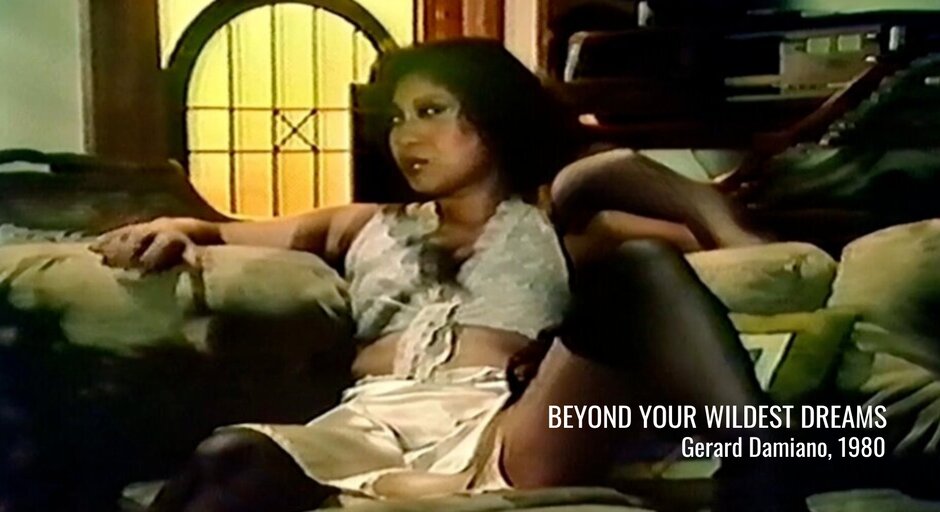 For Dream Girl #1: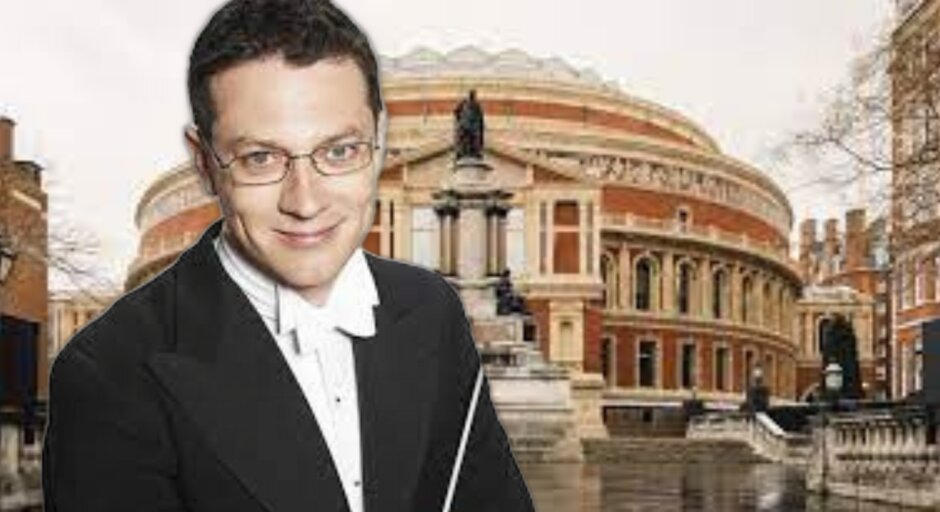


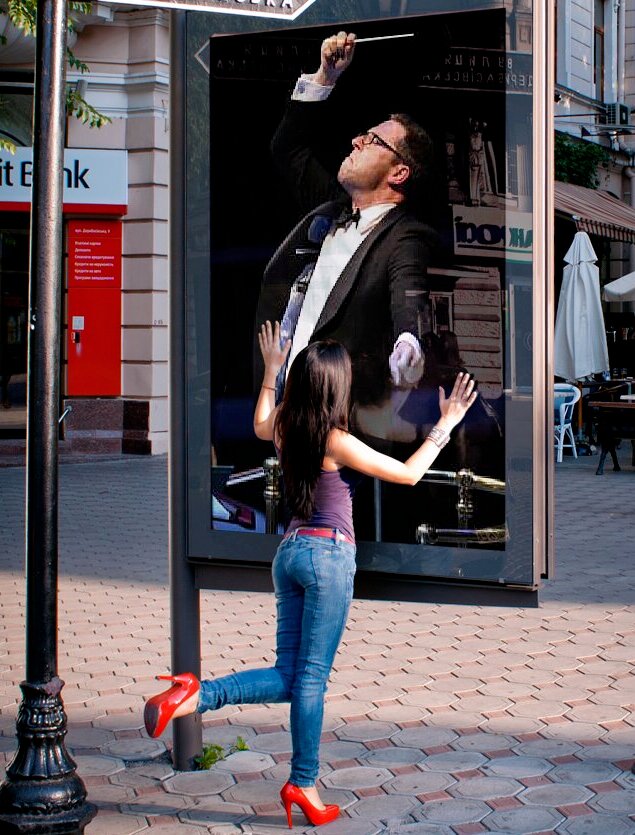
 Above Mister Personality:
  Above: Eric Coates’s “Cinderella: A Phantasy” recorded by my darling John Wilson with the Royal Liverpool Philharmonic Orchestra, 2006.

 Five elements make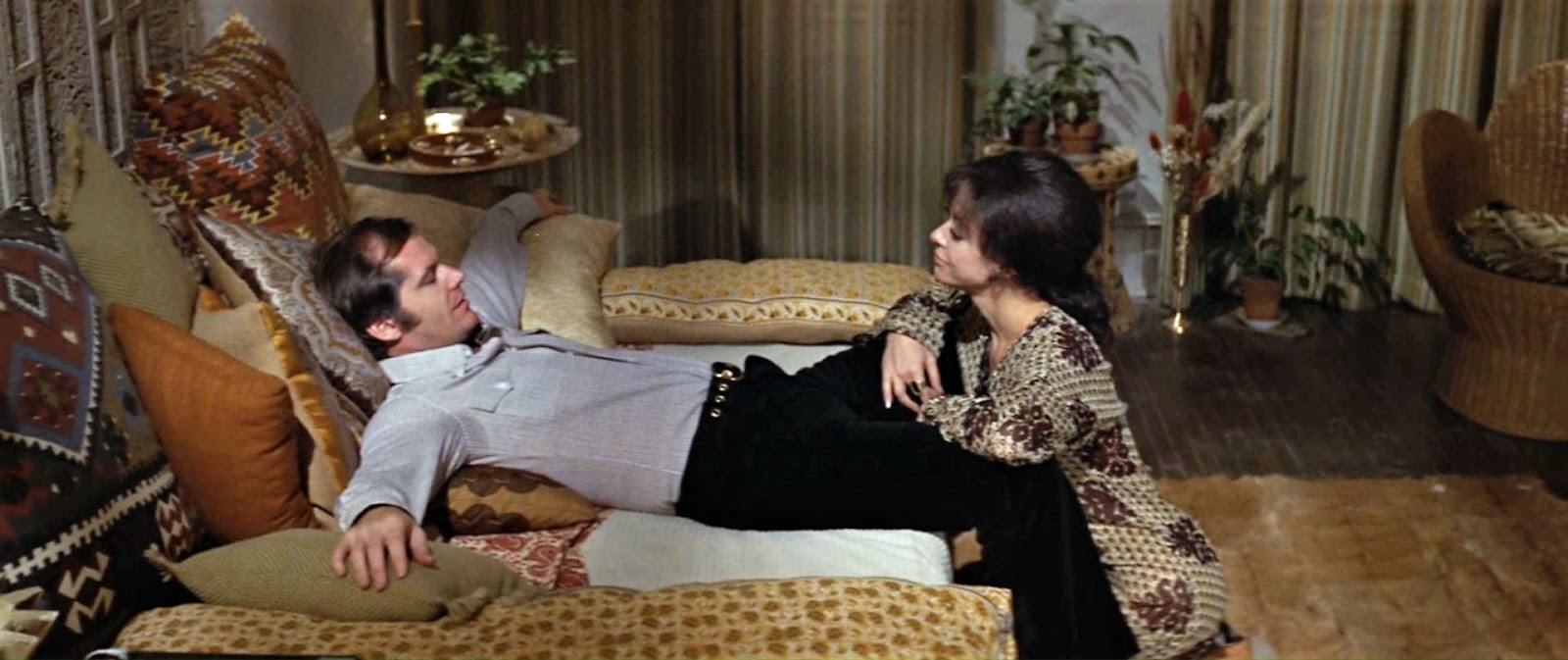
 "I'll Be Dead Before You Break My Heart"