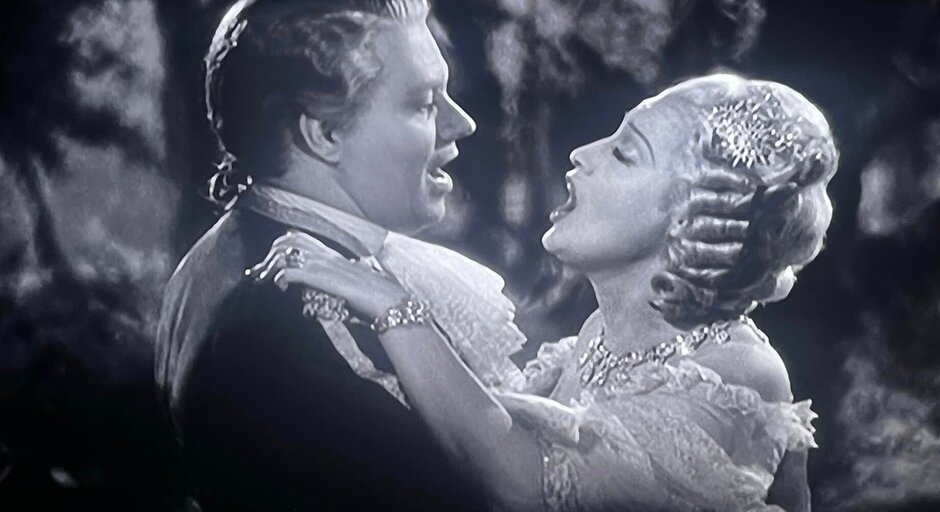
Another MGM musical, pre-Freed Unit. They were such a handsome couple and sang like angels, Jeanette MacDonald and Nelson Eddy. Who in their audience could have realized when watching such a mannered scene that they were in the middle of a chaotic on-again off-again love affair and that right after filming this number—that very night in fact when everyone had gone home—the two of them would be under that very tree having furious make-up sex?
Thanks to fellow MacDonald-Eddy fan Sharon Rich (as related to her by Jeanette’s sister Blossom) for that lovely bit of info.
Here’re my two connections to musician-composer Carlos Santana and his music. One, The Kid attended Santana’s alma mater, Mission High, in our neighborhood the Mission across from gorgeous Dolores Park, where he used to cut classes and take his girlfriend of the moment, wouldn’t you? And two, Santana’s “Evil Ways” was the last number in the live lesbian love act I used to do years earlier with the other girls employed by Katherine (wife of “History of the Blue Movie” Alex) de Renzy, bless her rapacious little heart. Eight shows a day. Tickets ten dollars, and this was 1979. We got visitors from everywhere, sailors and Japanese businessmen and tourists from the hotels. Katherine pushed the Screening Room as a classy joint, classier even than the better-known O’Farrell Theatre up the street, but apples and oranges. I guess naked pillow fights are better suited to some tastes.
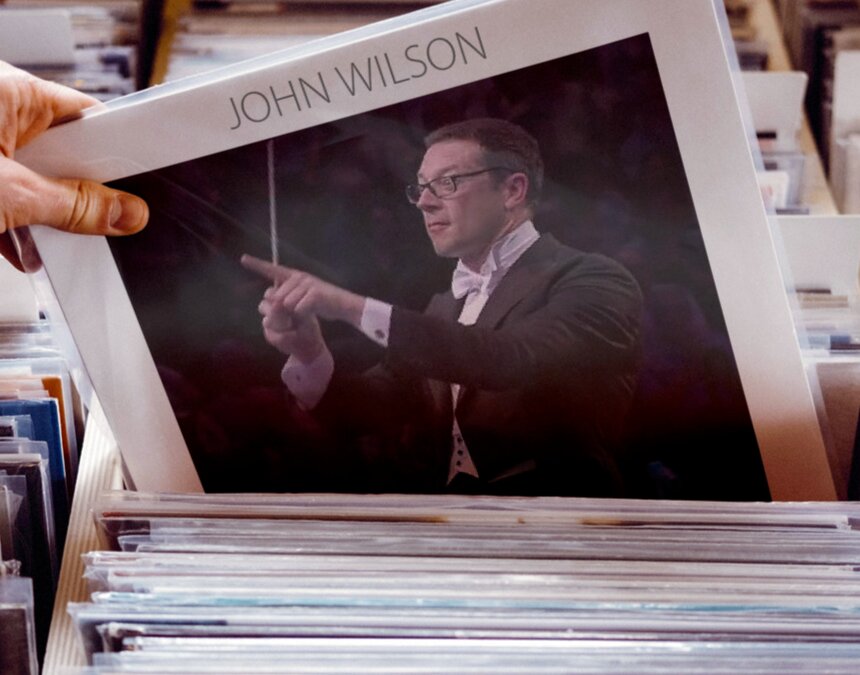
It was just the other night I had a fever dream, running a 101-degree temperature and twisting the sheets, not longing for my beloved John Wilson this time, but trying to fight off an infection. When I finally made it into sweet sweaty sleep I was immediately taken into a strange scenario where, for God knows what reason, I was expected to conduct, with no rehearsal, Australian composer Brett Dean’s tribute to the doomed Soviet cosmonaut Vladimir Komarov, in front of an audience of 200-800 (the crowd kept stealthily increasing), among whose number were members of the orchestra I couldn’t tell apart and no one was helping me. Being a dream, there were other factors and factors conspiring to keep me from conducting the damn piece: the string section turned into one fella carrying a zither that turned into a floor harp; the stage manager was nowhere to be found and I was expected to run the lights as well; no one would give me a copy of the score. When I yelled out, “Okay, who’s got the tinfoil?” it was then I woke up.
Before I did porn movies, I actually went to porn movies in the 1970s a lot, on 42nd Street usually, and always with a (male) date. Chic porn made for great dates in those days. Below is a still from The Naughty Victorians (1975), which is based on the enormously influential 1908(?) novel, The Way of a Man with a Maid, which I’d already read as a teenager; by Anonymous, who I’m convinced was a woman.
Never worked with star Beerbohn Tree—he filmed on the East Coast and I filmed exclusively in California—but after reading his thoughtful interview in The Rialto Report I’m sure I would have enjoyed working with him. Once again thanks, Ashley!
25 May, 2019. This afternoon someone in Glyndebourne will be cutting my beloved John Wilson’s cake into tiny little slices, and so I wish them all well at the gathering.
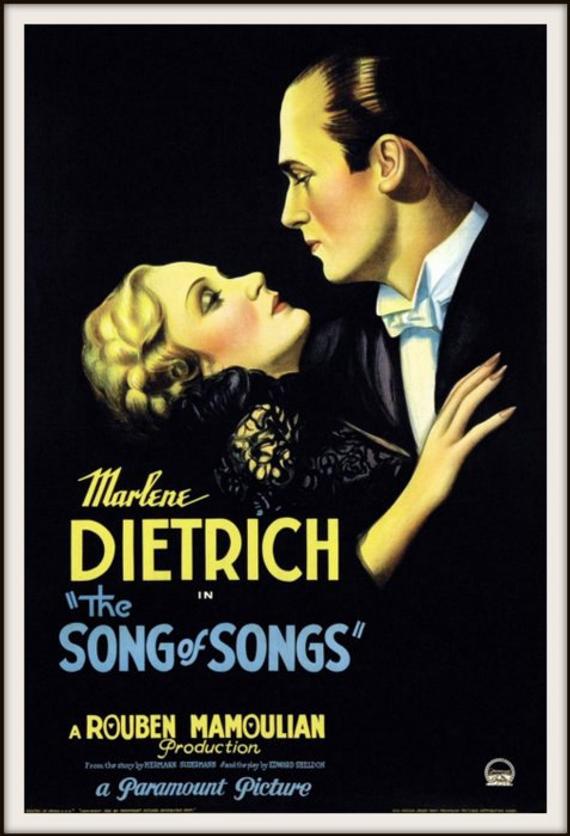
La Dietrich inspires a handsome young English orchestra conductor to artistic heights with her transfiguring and deeply sexual love in this erotically frank Pre-Code movie from Paramount. If only you understood dirty German, my bonny…
Music and lyrics by Joe Lubin, Hal Kanter and Terry Melcher; arranged by composer Jack Nitzsche (of One Flew Over the Cuckoo’s Nest fame). Sung by Doris Day and chorus with West Coast session singers The Blossoms, featuring Darlene Love(!!!), Fanita James, and Jean King.
I’m still finding it mighty strange that John was born on the same day as my father’s final birthday, in 1972—on the 25th of May, which would make them both Geminis—but somehow it starts to make sense: There’s John of the BBC and Eric Coates and Ralph Vaughan Williams and the tra-la-boomy-boom that makes up English music; and then there’s John of the big-shouldered swaggering sweating bombastic vibrant American tune book. One (when he plays it well) makes me want to cook him a nice lamb stew with pearl onions swimming in the rich gravy; the other (again, when he plays it well, which is almost always) makes me want to—well, I was in The Business, you know, use your imagination.
Low Fell Lad Makes Good. Above: the Arlen-Kohler standard “Get Happy” was written for Ruth Etting but popularized by Judy Garland in the film, Summer Stock (MGM, 1951).
Only don’t be too sure which is which. Like I said, John almost always plays the music of his own country and heritage well, with a deep feeling that’s irresistible; whereas when he works out the great American tunes it turns out more often to be hit-and-miss, with many many many more misses than hits.
But oh! When he does hit!
When bonny John and his orchestra play “Get Happy” or “The Trolley Song” or “June Is Bustin’ Out All Over” or the MGM Jubilee Overture—or the absolute best of the lot, “Slaughter On Tenth Avenue“—it’s total heaven, and I’m not the only one to say this. Subtlety is not this lad’s forte when it comes to the American popular repertoire. But when John goes big, bright, busy and loud when the number actually calls for it, screams out for it, it’s so damn satisfying when he does it and does it brilliantly that I want to—how can I put this?—do something for my darling in gratitude…make him a nice meal…fatten him up a little… (Ess, kind, ess!)
For right now, though, I’ll settle for a natter on a quiet afternoon with you John, rather not in London, maybe when you get up to Gateshead again, mi amor, back to The Angel of the North…
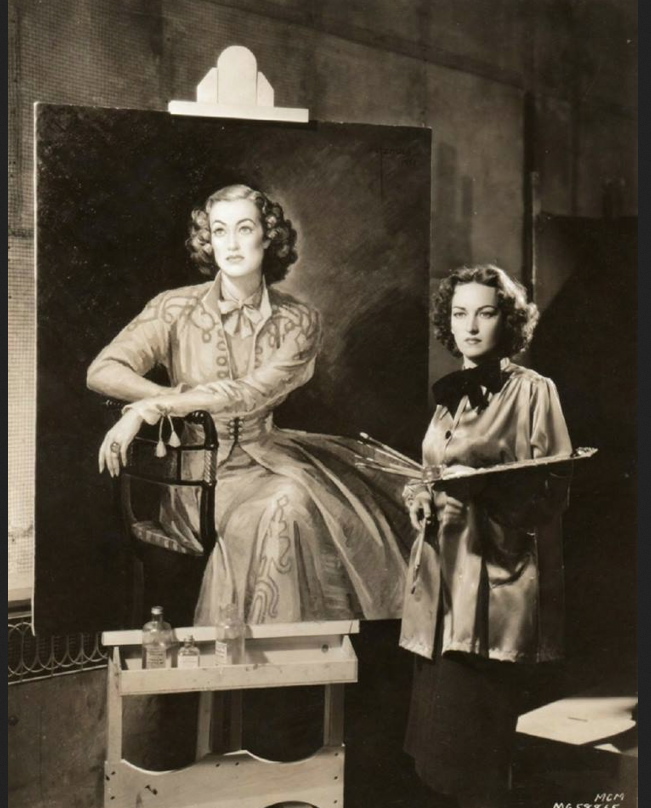
Azadia Newman Mamoulian next to her painting of Joan Crawford for The Last of Mrs Cheney (1937). Azadia’s famous portrait of Laura (that is to say, her portrait of Gene Tierney portraying the character, Laura) hung in the Mamoulians’ bedroom. How she got Crawford to resemble herself rather than the other way around, is a feat of illusionry I still marvel at. Above: My beloved John conducts the Sinfonia of London in Raksin’s Laura, orchestrated by the composer.
“You know I directed Laura,” said Mr Mamoulian to me matter-of-factly one day as we sat in his alcove-cum-study.
Now, I had seen the movie Laura several times—on TV and in the art house—and I remembered practically all the credits, which included one for Otto Preminger, Director…but no Mamoulian. But here was The Old Man sitting knee to knee with me, announcing right out that he was (what’s the Variety word?) the helmer of that glamorous but nutsy picture with Gene Tierney.
So what did I do? I was twenty-three. I was on a job. I nodded.
He sat back, took a couple of puffs from that awful cigar of his and smiled wistfully. “You know, Gene introduced me to my wife.”
“Oh, that’s wonderful,” I said. That would be Azadia, who Mamoulian called Zayde (a giggle, as zayde means grandfather in Yiddish); she was a woman I never saw except once. She was always in the Other Room.
For their show at the 2011 BBC Proms, called Hooray for Hollywood, John and The JWO begin here with an overall satisfying medley of tunes from the picture—inconveniently called the “Hooray for Hollywood” overture—tunes selected, arranged and orchestrated by my self-satisfied darling himself. Starting with John’s cribbing from Ray Heindorf’s execrable arrangement (that hard downbeat!) of the Gershwin brothers’ 1919 “Swanee” (Jolson turning in his grave), it does get better: “Lullaby of Broadway” by Al Dubin and Harry Warren, very nifty and swingy; Rudy Friml and Herb Stothart’s 1924 “Indian Love Call”, a lot more lyrical and moving (he included the birds and the waterfall!) than you remember it (especially when leader Andrew Haveron takes the soulful melody); Jerry Kern and Yip Harburg’s glorious 1944 “Can’t Help Singing” (written for Deanna Durbin); Kern and Ira Gershwin’s 1944 “Long Ago and Far Away” (Howard McGill on tenor sax and Matthew Regan on piano—I’ve never heard it played any lovelier): Frank Loesser’s 1950 “Guys and Dolls” done in Big Swing style; then, in a weird leap, “Chim-Chim-Cheree” by the Sherman brothers, 1963 (for which our John cribs 2 bars from Shostakovich’s Jazz Waltz No 2); and ending with “Hooray for Hollywood” from 1937 by Richard Whiting (who wrote “On the Good Ship Lollipop”) and Johnny Mercer.
Hooray for Hollywood
Where you're terrific if you're even good
Where anyone at all from Shirley Temple
to Aimee Semple
is equally understood
Go out and try your luck
you might be Donald Duck
Hooray for Hollywood
Dates are of composition, not the date of the movie. Because it contains John’s own actually-pretty-good arrangement it’s one of my favorite numbers of The JWO (although I would’ve swapped the timpani for a little chord coloring at the beginning of the “Swanee” melody). He seems to have nailed down the Andre Previn sound in his strings, which is okay by me. Plus extra points @7:40, where my self-satisfied darling shimmies like a brazen hussy yet again.
From August, 2018. Cantara, former ASCAP solfeggist and 70s porn actress turned memoirist, has fallen hopelessly in love with a man at the other end of the world, an English, middle-ranking orchestra conductor—who plays, on the side, Golden Age of Hollywood music and The Great American Songbook—by the name of John Wilson.
So what is it about him?* I’ve only been aware of his existence since 30 April and in love with him since 4 May, 2018; since then my feelings have been an insane mixture of tenderness, gratitude, annoyance, and lust. The tenderness I understand: I’ve spent enough time in Hollywood to understand the position he’s in… As far as gratitude, here’s his concert version of “The Trolley Song” using the original 1944 orchestration(!)— thank you thank you thank you, John. Even the raging lust I get.
But whenever John gets himself in the way of the music it drives me nuts. It’s crystal clear to me the times he does this because I’m in love with him, dammit, and because he’s a musician I pay attention to the music. Truth to tell, the only times John really gets himself in the way are when he’s conducting his own hand-picked group which is dedicated mostly to music from Golden Hollywood & The Great American Songbook, and cannily named The John Wilson Orchestra.
Whether he gets himself in the way indeliberately or on purpose I cannot entirely tell, but I’m starting to. With a little patience he isn’t that hard to read, my bonny John Wilson. After countless times listening to his recordings and broadcasts; pouring over his interviews; watching him conduct (in video clips, mainly from the annual BBC Proms); watching him conduct other orchestras besides his own (ditto); and, most important, learning to separate the showman from the musician, I’m starting to understand his type of intelligence and his musical capability, which is actually pretty sizeable. His ear (the way he hears things, not his purported perfect pitch) is intriguing and his industriousness is admirable. I am definitely not buying into the PR excess—he is not “a superstar”, “a guru”, “charismatic”, “legendary”, “a conducting icon” or, God help us, as proclaimed by the BBC, “the nation’s favorite” (!!!). But his musicianship at times is kiiind of brilliant.
* Update 10 August 2019: I’ve just read up on what it is about him, and now I’ve got science to back me up. It’s John’s fault.
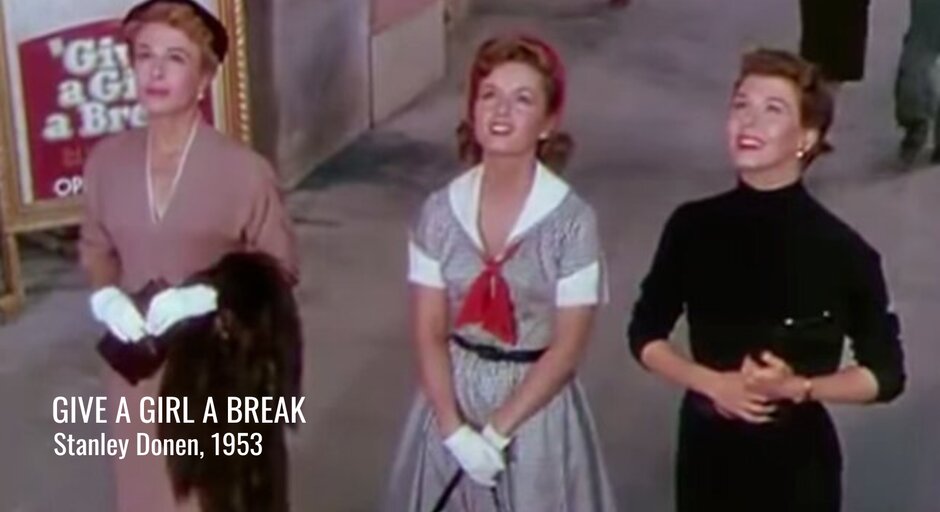
Give a Girl a Break (trailer here)is a US 1953 musical comedy film starring Debbie Reynolds and the dance team of Marge and Gower Champion. Helen Wood, Richard Anderson, Kurt Kaszner and a young Bob Fosse have featured roles. At only 88 minutes, Give a Girl a Break shows residual elements of the big project it started out to be, with a passable score by Burton Lane and Ira Gershwin, direction by Stanley Donen, and musical direction by Andre Previn.
Above Marge, Debbie and Helen: The overture to the 2012 Proms My Fair Lady, with John conducting The John Wilson Orchestra in his own arrangement of Andre Previn’s orchestration of the film score.
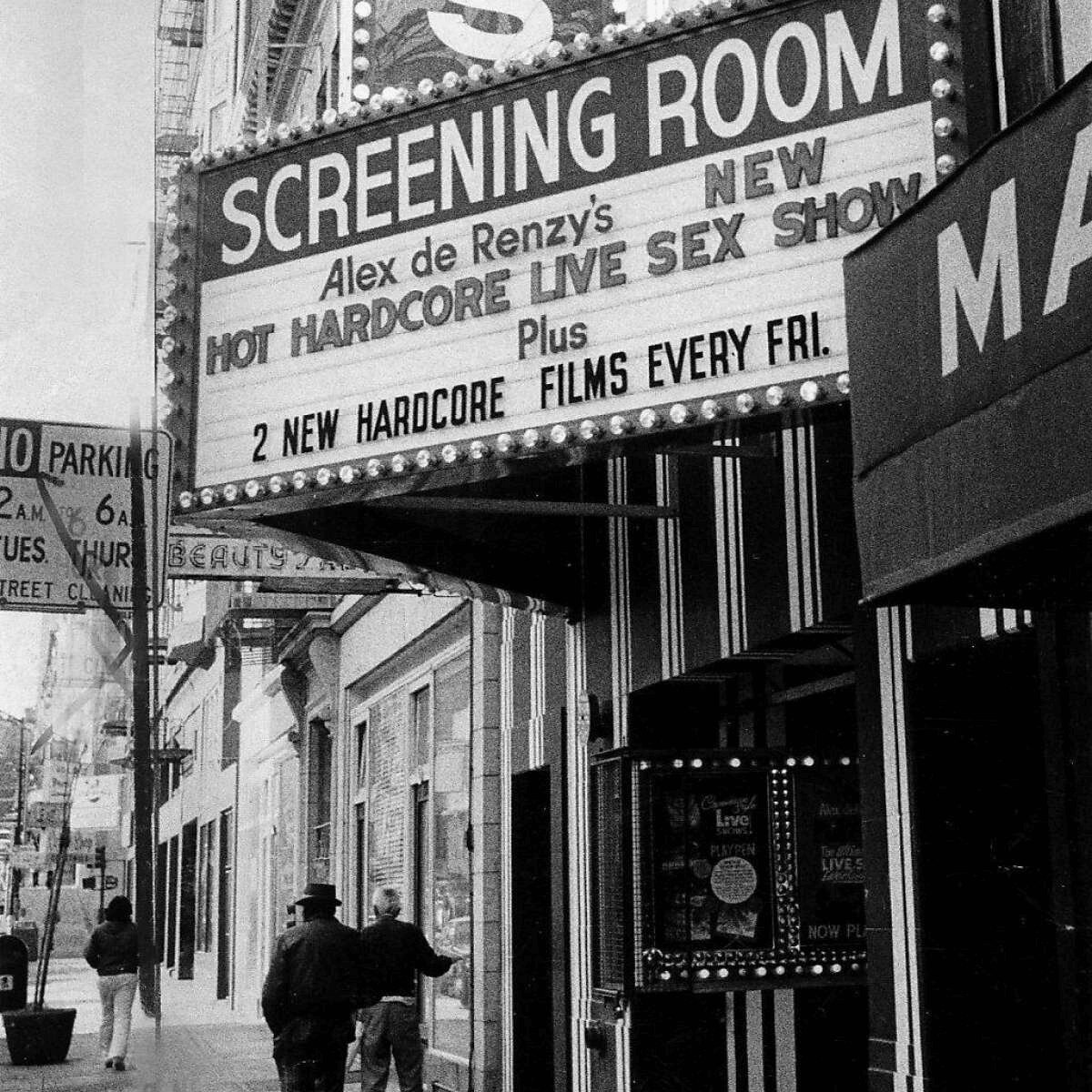 Above my old workplace, “Evil Ways” from the album Santana, 1969. Find Tito Puente’s “Oye Como Va?” played by Santana (from the album Abraxas, 1971) in my posting
  Filipina nude painted by Fernando Amorsolo y Cueto, 1960, just for
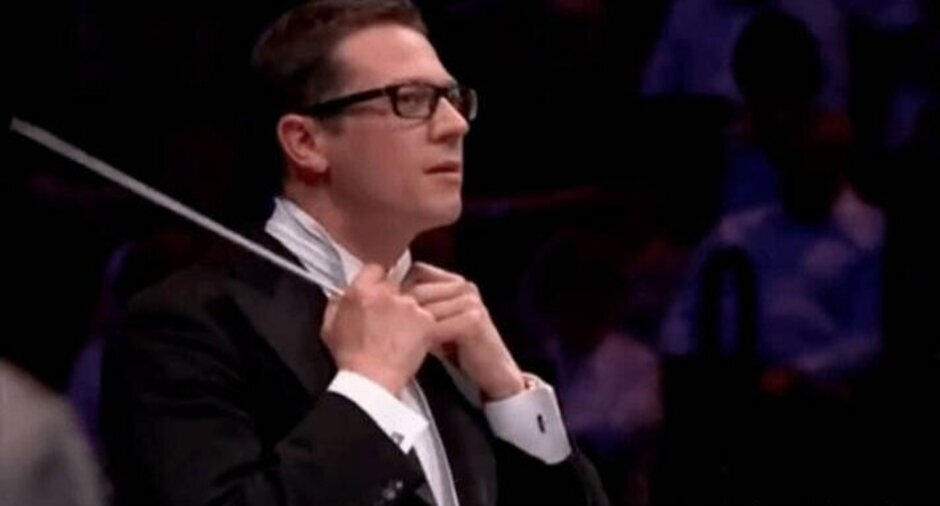
  Above John:

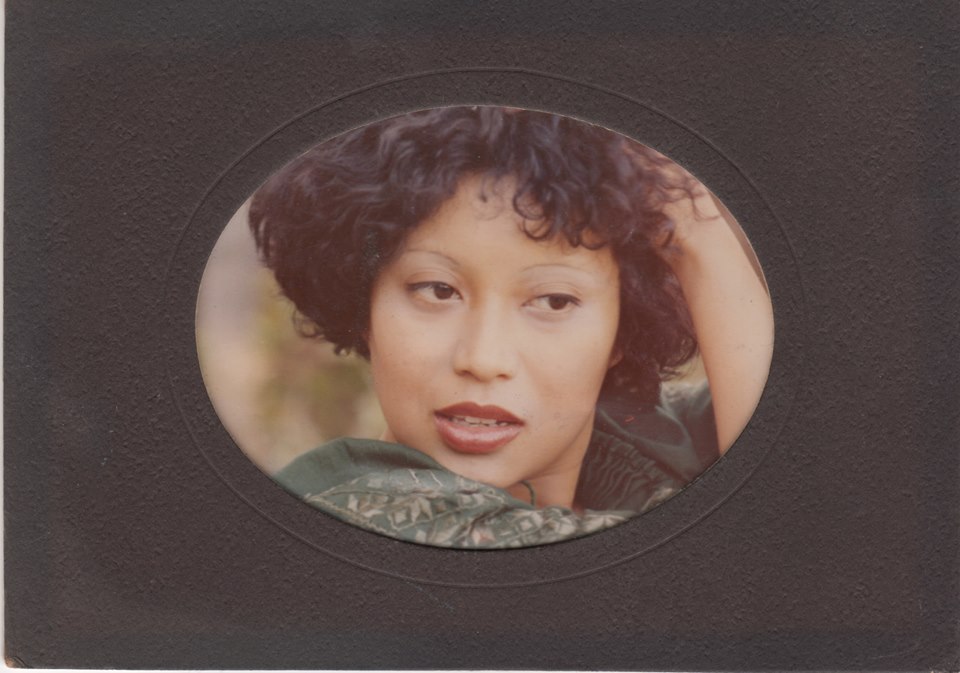 My youthful attempt to emulate
  Portrait of John Wilson by Sasha Gusov
 Dates are of composition, not the date of the movie. Because it contains John’s own actually-pretty-good arrangement it’s one of my favorite numbers of The JWO (although I would’ve swapped the timpani for a little chord coloring at the beginning of the “Swanee” melody). He seems to have nailed down the Andre Previn sound in his strings, which is okay by me. Plus extra points @
 "I'll Be Dead Before You Break My Heart"