There are three books I am 99 percent sure my beloved John has in his library: The Joy of Music by Leonard Bernstein; Apple of My Eye by Helene Hanff; and Instrumentally Speaking by Robert Russell Bennett, orchestrator of the music of Richard Rodgers. Bennett was the primary orchestrator for the following Rodgers & Hammerstein stage musicals, all now part of the foundation of modern American musical theater:
…which pretty much makes him the true architect of “The Broadway Sound”. The sonic lines of his work can still be heard in every screen enhancement and stage revival of these classics, no matter how offbeat or “reimagined” the productions—listen to Daniel Kluger’s clever but correct re-orchestration of the title song for 2019 Broadway’s Oklahoma!
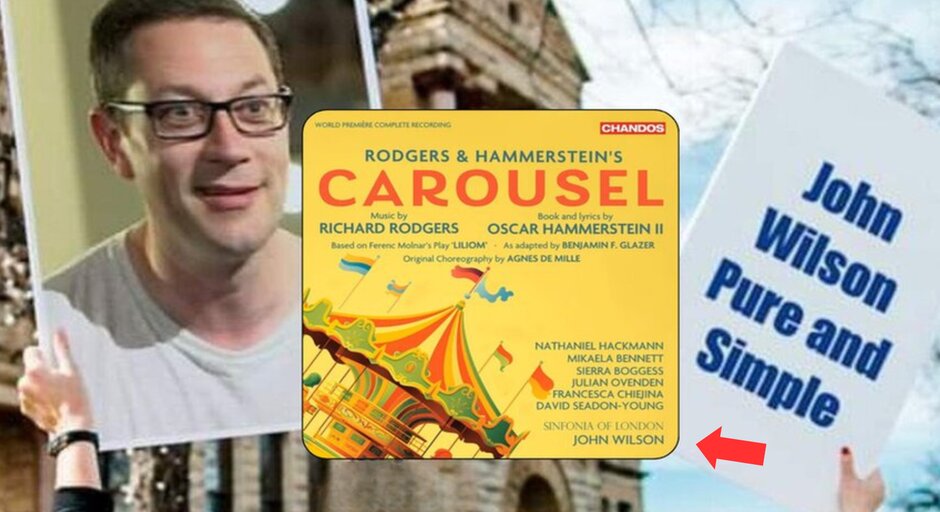
As you probably know, faithful readers, John previously recorded Oklahoma! a couple years ago and won some sort of award for it…so of course it was only a matter of time before he got on to R&H’s second classic score. Whether this means that the powers-that-be intend for my bonny to conduct the entire R&H+Bennett catalog I do not know. Personally, since he’s already batting 3 for 3 when it comes to his performance repertoire and my old boss Rouben Mamoulian‘s classic stage productions, I’d love to hear his complete George Gershwin opera,Porgy and Bess.
Actually, what I’d REALLY love, John, is a new recording of a work that even Richard Rodgers himself admitted was 10 percent Rodgers and 90 percent Robert Russell Bennett—Victory at Sea! Oh, I’d sooo love to hear you do something with this:
From 2021: In an earlier post I mentioned that, since May a couple years ago, I’ve been reading books by orchestra conductors on conducting, in order to better glimpse into the unfamiliar heart and mind of my beloved John Wilson. That classic tome written by Richard Wagner was far out, of course, and going back to some of Leonard Bernstein‘s early writings was deeply nostalgic.
But it was my treatment of a book my bonny conductor had on his public Facebook Likes list that done me in—a thin, and thinly humorous, volume written by a coeval of John’s who let out his dirigental insecurities in a tirade of snark that I answered in kind in a long, 4-star Amazon review that I thought was hilarious, which it was, although apparently only to me. I did this to get John’s attention. I got it. John did not like what I wrote. Hence, he learned how to spell my name ab-so-lute-ly correctly.
Now, Mark Wigglesworth has a 30-year career conducting a number of the great operas and a number of the great symphony cycles, to much acclaim. If there is one thing that John’s friend’s book made evident, in its perverted way, it’s the importance of a conductor being holistically grounded, and Wigglesworth is, as we used to say in the 70s, a grounded guy. Not surprising for someone who has Alan Watts on his bookshelf; and since the English-born psychedelic Zen guru of San Francisco is one of my guiding lights too, it was a deep pleasure to read The Silent Musician, Wigglesworth’s musings on his inner/outer artistic journey as a conductor. Wigglesworth, from Sussex, is an acclaimed interpreter of Gustav Mahler as well as Wagner, two creative heavyweights who positively require those who would approach their work to have had a fair look first into their own personal psychological-spiritual makeup. Consider Daniel Barenboim—one artist on the world stage I respect the hell out of—and his own moral / philosophical / logistical grapplings with the Architect of Bayreuth (download his “Wagner and Ideology” here) and let me just say, if Barenboim figured it out I’m satisfied).
Speaking of Wagner, a few years ago Wigglesworth conducted the overture to a Wagner opera I’ll bet you’ve never heard of: Das Liebesverbot, or, The Ban on Love. I only know about this one because I took the mandatory survey course at music school at the university and never ran into it again till now. So this is the first and only thing I’ve ever heard from this opera:
Or will ever hear, ever again. Just a bit…Mediterranean, wouldn’t you say?
But what amazes me more is the libretto, because Wagner—get this—chose for his source material the scuzziest, meanest sex comedy ever written, which is, of course, Measure by Measure by William Shakespeare. Yes, at the end hypocrisy is vanquished and everyone gets laid, but eeeeuuwww…
Now, think on the twenty-three year psychological-spiritual journey from Das Liebesverbot to this:
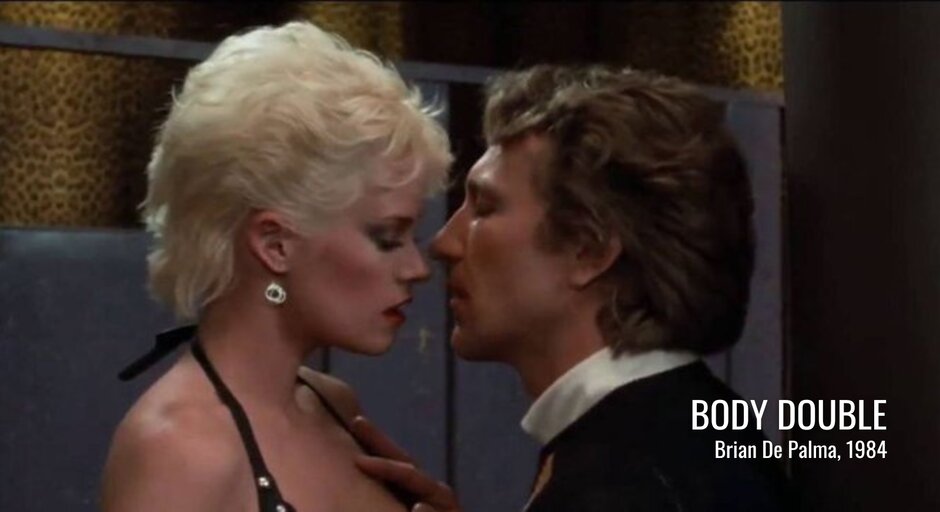
From 2021: The flick Holly Does Hollywood is fictional, of course, a fictional movie in the world of a real movie called Body Double, which was conceived and executed by the man who in an ideal world would be king of Hollywood, Brian De Palma.
De Palma’s affectionately knowing, utterly non-patronizing visit to pornland is a bit of a fantasy, of course. No flick I ever did or saw had a budget big enough to afford a mirror ball, let alone an MGM-size dance floor (though Damiano’s later movies came close). But scale aside, De Palma understood the thing that kept nearly all of us, cast and crew, jazzed while we were being pushed to get out product, and that is: When you are making a porn movie, you are making a movie.
Now, every so often I’d remember this. I’d be in the middle of a take, and like a klieg wash switching on I’d suddenly become very aware of everything around me: the lights, the mikes, the crew, the director, the luxuriously gorgeous surroundings (half my films were done in those sumptuous private homes in Marin County), the smooth-skinned, sweet-smelling people touching me, the amused audience (most of the homeowners would hang around watching us film)—and the realization would thrill me so perceptibly I would be open to the moment and I’d like to think it showed up in my performance.
Which is the same jazzed-up open-to-the-momentness I thought I saw in John Wilsonone evening when I was trawling online for classic show tunes and stumbled onto my bonny in a 2012 BBC-TV clip, commanding the podium in the middle of the Royal Albert, surrounded by an orchestra of eighty and an audience of 6,000, conducting a hot piece of Jule Styne and shimmying like a brazen hussy. And when I say shimmying like a brazen hussy, understand: I’m the brazen hussy he was shimmying like. I fell in love with him on sight—just like the songs and movies go, an arrow went straight to my heart—because I recognized him. I got his number, so to speak.
Above Melanie Griffith and Craig Wasson: The Liverpool group Frankie Goes to Hollywood, who made their initial splash in 1984 (dig it) with the best stroke song ever written, “Relax”. Of course it was banned by the BBC.
I don’t mean to read a lot into this, maybe he did start out with a migraine or a toothache. More probably, I think he’s thinking differently (that is, more “seriously”) about things nowadays. Eight years have passed between those two appearances, after all, and I’m sure he’s gone through a number of internal changes during that time and made some interesting decisions which we will all, in time, learn about. It would be a sad thing if it’s John himself who thinks it now “unseemly” for him to shimmy in public anymore (I’m not the only one to have noticed his gorgeous limey shimmy), but it would be a sadder thing if John might be taking the nudge-nudge hints and advice of others to heart.
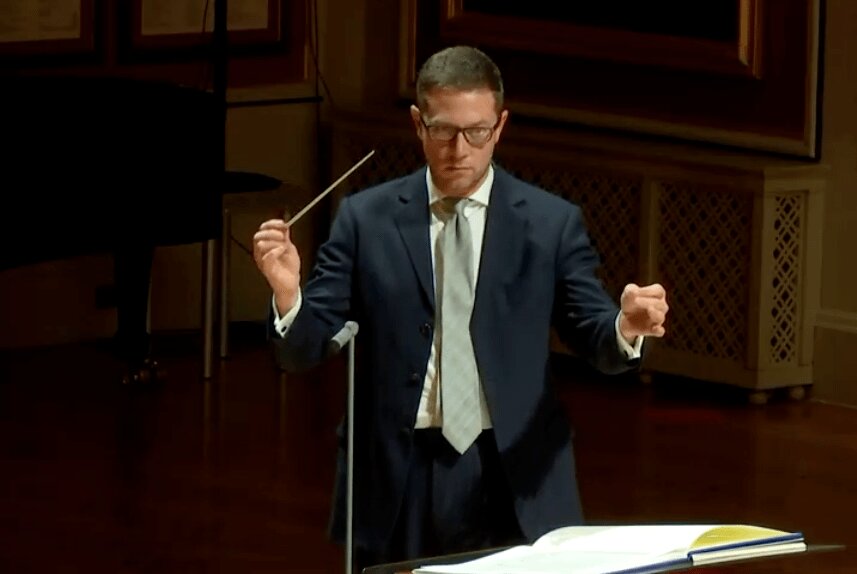
I don’t know what I did to please the gods but on one October morning in 2020, somehow, I took a perfect screenshot of John conducting, while watching the (UK time) 7:30pm performance of the Royal Academy of Music (Finzi, Strauss). “Metamorphosen” is from his new album on Chandos.
It’s John’s “I mean business” look that keeps me going. Above: John conducting the Sinfonia of London in Strauss’s “Metamorphosen” (Chandos, 2022)
It’s a funny coincidence, but the first—the very first—music article I wrote was for the University Chorus’s newsletter, a review of Ken Russell’s 1968 film, A Song of Summer. It just happened to have been on TV that month, May 1972, the month we were performing Frederick Delius’s 1916 Sea-Drift (available here on YouTube with accompanying score) and seemed like a natural to talk about…
Above: “Late Swallows” , the 3rd movement from Frederick Delius’s String Quartet in E minor, originally published in 1916 and re-arranged by Eric Fenby. My beloved John Wilson conducts his Sinfonia of London (Chandos)
[more later—my blind baby angel Mister Grumble‘s dictating his latest work to me, tentatively called The Last Bohemia; meanwhile amuse yourselves with his first here available in pdf, a comic novel of aliens, hippies, FBI agents, and cheap beer, Tales From the Last Resort…or this novella, Quality Time, about a day in the life of a young San Francisco heartbreaker…as for me, right now I’m re-readingDelius, As I Knew Him by Eric Fenby (G Bell & Sons, 1936)]
Hot-weather days like this make me remember when we—The Kid, Mister Grumble and I—lived at one point of a triangle that made us not only two blocks away from the sunny Castro, but two more-or-less-equal blocks away from the first station of the cross of the obsessive lover’s screen via dolorosa, (fellow communicant) Alfred Hitchcock’s Vertigo—and by that I mean Mission Dolores, San Francisco. (After 248 years, it’s still beautiful.)
You look good, you delectable thing you. Been working out?
As for the other point, you can’t imagine what a randy yet romantic stretch of real estate that was before AIDS hit. I remember how colorful and musical it all was.
Sure as I got it right in The Americans (“Renée Is an American-Born Mossad Agent”) I got it right with this one: Angela Goodnow, the Goodnow sisters’ dependent cousin, cut her own deal with banker-would-be-conductor Eliot Kaplan to further undermine Lydia and eventually eliminate her entirely from the pantheon of world conductors.
This is No. 17.
This is strictly from observation leading to intuition, and would strike you too if you’d been around women (or anyone else for that matter, but mostly women) who crochet. Remember how big those bags can be?
By the way, the screenshot above is no.17 from a grouping of Visual Notes (VN) for a 30-part essay entitled “Love, Teshuvah, and Filipinos Will Save Classical Music: Cantara Christopher Gives Her Beloved Conductor John Wilson Crib Notes on Todd Field’s Screen Masterpiece, Tár”. For Watchers only. If you want to see how I work, this is a good place…
From 2019. Legendary torch singer Helen Morgan (she was the original mulatto Julie in Jerome Kern‘s Showboat) was only 28 when she played the washed-up headliner mother of a chorus girl in this early, early talkie (1929!) which benefits from an excellent sound recording. Filmed over at the Astoria Studio in Queens. Note Mamoulian’s penchant for symbolism: Morgan’s poster like the Holy Madonna hovering over her daughter and daughter’s sweetheart; the rolled-up curtain on the bannister posing as Death. When I saw this shot it hit me then what an artist The Old Man actually was.
There has been much discussion here about the music that gets the show going, some of which has addressed the ‘Mont Blanc’ of Broadway overtures, that to The King and I.
Above Ken Watanabe and Kelli O’Hara in 2015 Broadway’s sexy production of The King and I, my beloved Brit John Wilson conducts his John Wilson Orchestra in the Albert Hall in the Overture.
Amusingly, orchestrator Robert Russell Bennett tagged it ‘Le roi et moi’. One can only imagine whom the ‘roi’ is meant to be. However, those of you who have come across the French will also be familiar perhaps with this expression, typically seen in a famous cartoon set in a restaurant where a waiter is dealing with a complaint from a diner: ‘Le client est roi: le patron est dieu’ [The customer is king; the boss is god].
Anyway, like Mont Blanc, there are different ways up it (and back down again), which vary according to how much snow and ice or wind or wet or hot weather have to be negotiated. A lot of versions of score, arrangement and style of performance can be heard, and they are all interesting. At this present moment, however, I am quite taken with Lesko’s 1977 recording, under Milt Rosenstock’s supervision, of a truly involving reading of the overture. Their approach is intensely ‘musical’ and it triumphs for that reason, whatever differences there may be in substance compared with other performances.
How do I judge this? I put myself in the shoes of someone who has turned up to the theatre and knows the name of the show (this is now frequently projected onto a drop curtain at the start, to help the slow-witted) and nothing else. The King and Iis a very sensible title, presenting two ideas: royalty and an anonymous first-person narrator. Royalty is far away from the experience of most people, but it is recognised as being an ‘absolute’ beyond which further progress cannot be expected: ergo, a ‘King’ doesn’t usually have much to strive for, no goal to reach, and thus tends to make for a bad protagonist (unless you’re watching them fall!). Therefore, subconsciously the audience is already rooting for the unidentified ‘I’. (Incidentally, the heroine narrator of Rebecca is only identified by that single letter, and there are other examples.)
What then follows is something that appears to be an ‘overture’ in the Broadway manner, comprising a list of big tunes from the upcoming entertainment. Subconsciously, though, it can also be read as a programmatic tone-poem offering a summary of the events leading up to the start of the drama proper. My hypothetical punter might understand it as follows:
1) The Hammer-Blows of Fate fall and send everything flying—these are the two musical ideas out of which the rest of the overture (and score) is constructed 2) Melancholic love arises, moving slowly, chordally, perhaps recalling a lost romance, maybe a death 3) Sudden change of mood interrupts this and jerks us into youthful, childlike chirpiness, which jars 4) An abrupt relapse follows into deeper desires, barely grasped, but insistent, driven by powerfully expressed longing, yearning 5) Gently undulating movements surge forward in the bass and high strings, with a long tune bobbing rhythmically through them, rather like a sea voyage 6) Triple-time acceleration of the ‘journey’ then propels us along faster, where the steady treading of chords and the opening scales have been brought much closer together, yet without quite actually joining, before the music culminates in— 7) Arrival at the destination, announced by a more emphatic restatement of the opening grand chords. Curtain up on ship arriving in Bangkok Harbour.
Or something like that.
To be perfectly honest, the Prelude to Tristan und Isolde does the same thing. The whole is held together by the orchestration, which is phenomenal. Furthermore, in the same way as one does not need to ‘know’ what Wagner’s four-note rising and falling and rising chromatic motifs ‘mean’ in order to ‘feel’ their tidal effect, nor to feel in one’s very marrow what those ‘tides’ relate to in oneself, it is immaterial what specific incidents have brought ‘I’ to this place. A closer musical theatre example might be for some the overture to The Mikado, perhaps; in terms of musical complexity it is less challenging although it certainly seems to begin similarly, but the emotional depth of R&H far exceeds that of the skilful D’Oyly Carte parodists. Crucially, Rodgers draws on the big guns of the past to learn from them; Sullivan plunders his predecessors in order to send them up.
Here, because of the terseness of the musical argument, the best performances are those which are most involved in the ‘music’ to the exclusion of any ‘intrusive phrasing’. I mean by this, musical phrasing which seems to articulate the sense of the ‘text’: Particularly when dealing with a very familiar score, any approach at conducting ‘the big tune’ runs the risk of simply luring the audience into ‘singing-along’: and how they do. In fact, once they feel they have ‘permission’ to do this, there is no knowing when the audience might feel moved to accompany ANY member of the cast in whatever they have to sing. I have lost count of the number of productions I’ve seen where this occurs. However, I have also paid careful attention to when it does NOT happen.
In this single example, then, an excellent rendition of the overture—or prelude—to The King and I. Some people may find this approach at analysis unnecessarily fussy if not a tad precious; on the other hand, there might be some mileage in it.
~Julian Eaves, Composer from Musical Theatre Orchestrations
EXTRA! Courtesy of YT an entire episode of Groucho’s classic TV “game” show, You Bet Your Life from 5 December 1957, featuring American concert baritone and outspoken rock’n’roll hater, John Charles Thomas, plus the heroine of the most scandalous book in my mother’s forbidden library, The Big Love—the fetchingest teenager (15!) in Hollywood, Beverly Aadland! Just months before Errol Flynn swept her away! At 11:50 Beverly sings “All Shook Up” and Groucho dances a few steps solo, then with her, in a really sweet passage a deux.
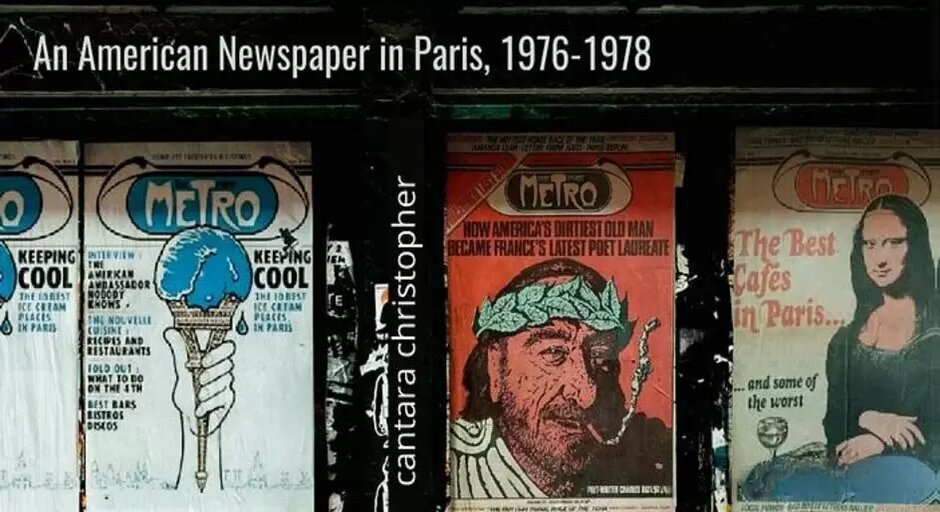
From 2018. On the streets of Paris I sold the coolest American newspaper ever published in Europe
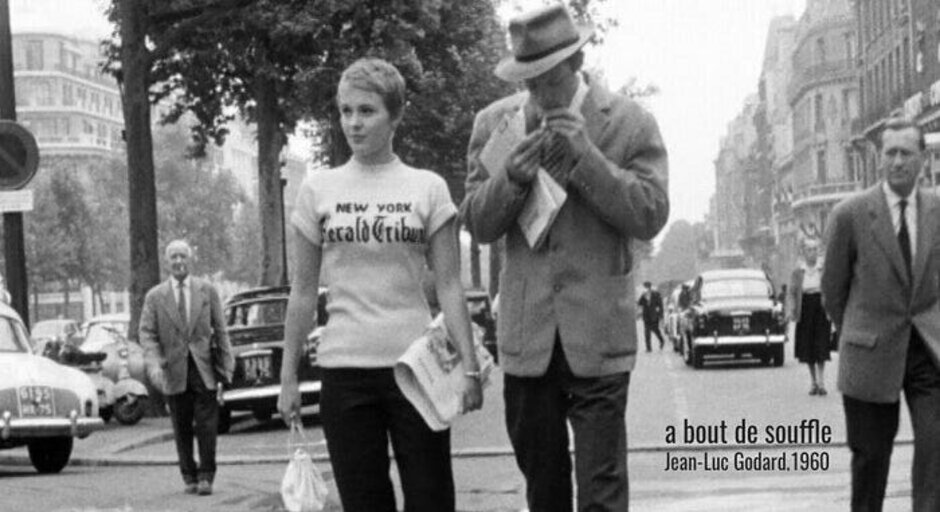
Like Jean Seberg in Jean-Luc Godard’s Breathless, I spent some time in my early 20s sauntering up and down the Champs-Élysées in a sexy logo T-shirt hawking an English-language publication. Not the venerable Herald-Tribune, though: a new bi-weekly started by American journalists, called The Paris Metro.
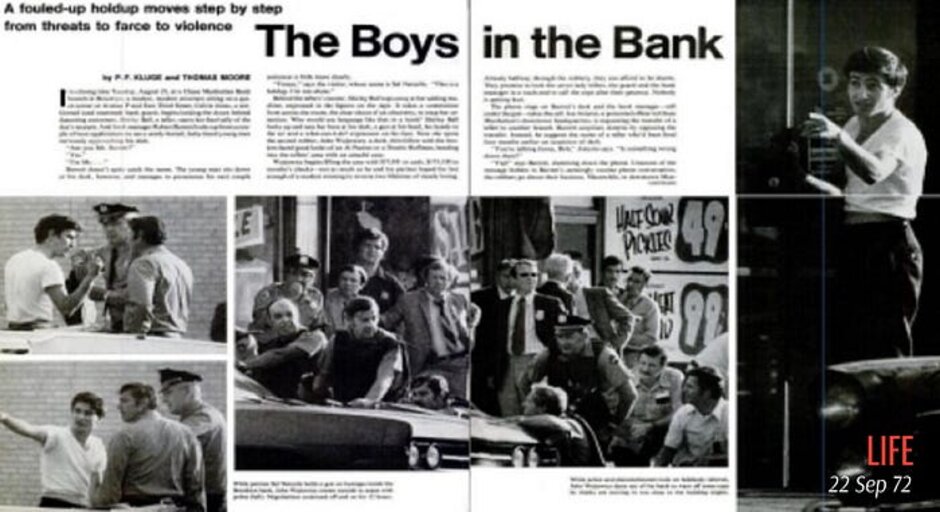
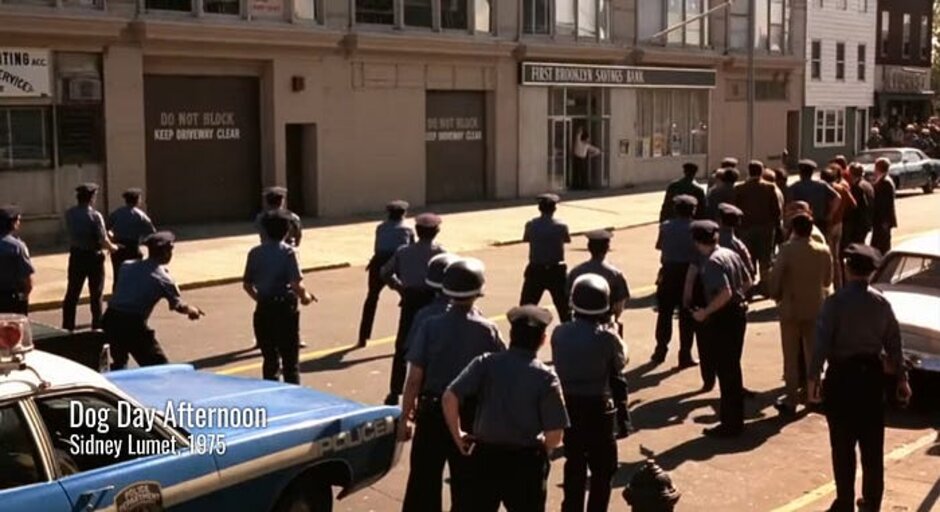
The founding publisher-editor of The Metro was a young guy in his 30s named Tom Moore. Five years earlier Tom had been the leg man for a shared-byline story about a spectacular bank robbery in Brooklyn. The story was published in Life Magazine…
…and was quickly sold to Sidney Lumet’s production company, who came out with this classic movie, three years later:
With his cut of the proceeds from the sale, Tom traveled to Paris to realize his teenage dream: to enjoy the good life in Paris with a beautiful French woman by his side, and to write about it.
With a couple of journalist cohorts, he founded a city magazine for Paris, a tabloid bi-weekly they launched in June, 1976. It was a good time for city magazines, which in the 70s were cropping up like mushrooms — Boston’s Phoenix, Chicago’s Reader, LA’s Weekly, etc. The ones that lasted were able to last by working the winning three-pronged combination: 1) comprehensive arts and culture coverage; 2) informed, relevant political pieces; 3) sexy classified ads.
Armed with that formula and a close group of writer friends, The Metro was launched in a quiet neighborhood of Paris, the 4th arrondissement.
Art director Christina de Liagre, in The Paris Metro 40th Anniversary Issue (Freelance Ink Books 2016), recalls:
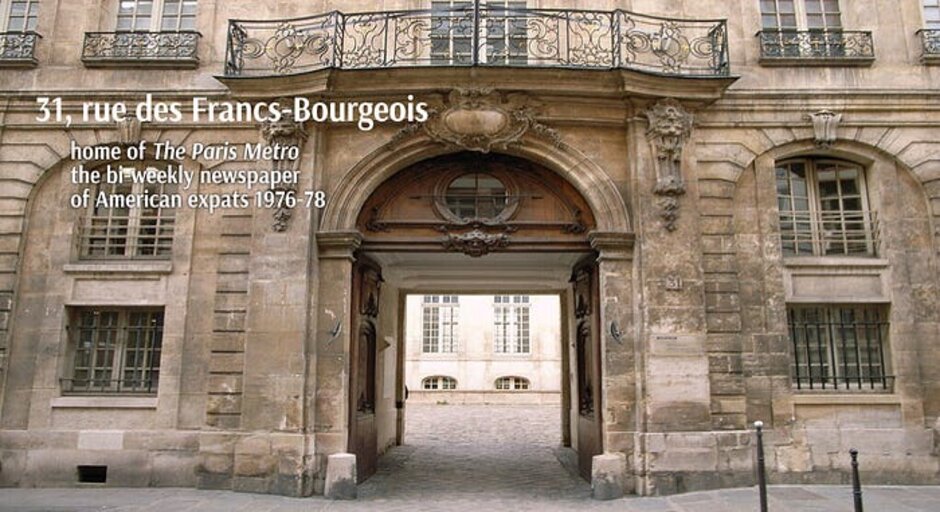
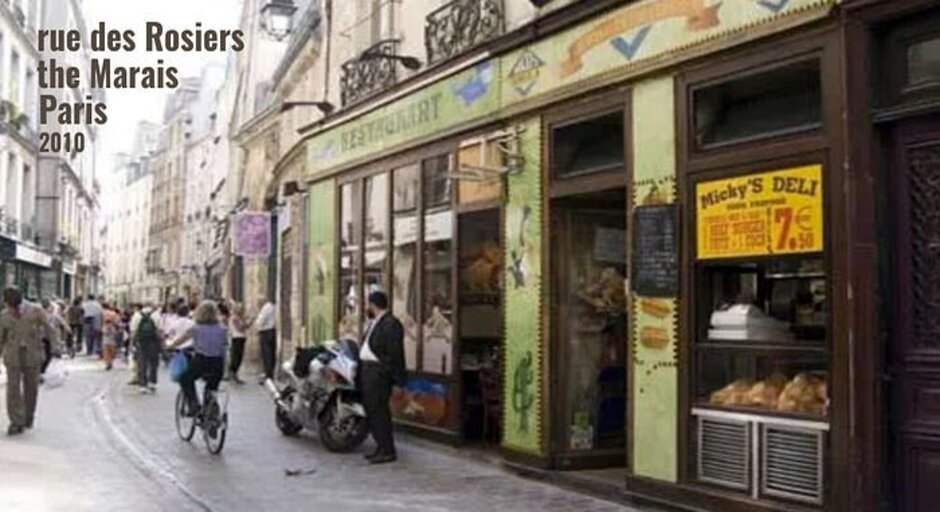
Having the rue Pavée, the rue Rosiers and other streets in the Marais’ Jewish quarter in The Metro’s back yard was one of the real pleasures of our outpost at 31, rue des Francs-Bourgeois, where the renovated l’Hôtel d’Albret currently houses the Direction des Affaires Culturelles of La Mairie de Paris.
Inside that courtyard we street hawkers congregated to receive bundles of the latest issue, right off the press. We paid cost for each copy (2.5F) which we would sell for 5F. On a good day selling I made 100F (about US$20 at the time), which all went to restaurant meals — cheap, but fantastic. Because, you know, Paris.
Not yet gentrified, as it is today, the Jewish Quarter had a texture of life that other neighborhoods lacked. The surrounding Marais had been dormant for decades and we were in town to wake it up! Remember naked co-ed nights at the Hamman Saint-Paul, now sadly converted into a clothing store? And meals at Goldenberg’s where the owner Jo would often sit down to reminisce [sic!] about the July 1942 roundup of the Jews. Now racks of “Morpho” jeans have replaced Jo’s famous chopped liver in a boutique called Le Temps des Cerises.
Goldenberg’s was a little pricey for me, but I hung out often on the main street, the rue des Rosiers, with its tabacs and its slightly cheaper (but just as good) delis:
I usually hung out in the city until late in the evening, not forgetting to pack up in time to catch the last train to Neuilly, where I was staying with my American girlfriend and her French snobby-but-sexy artist boyfriend. Nights I missed the train I usually managed to share a bed with someone, courtesy of The Metro’s classifieds (which in its day worked better than Tinder).
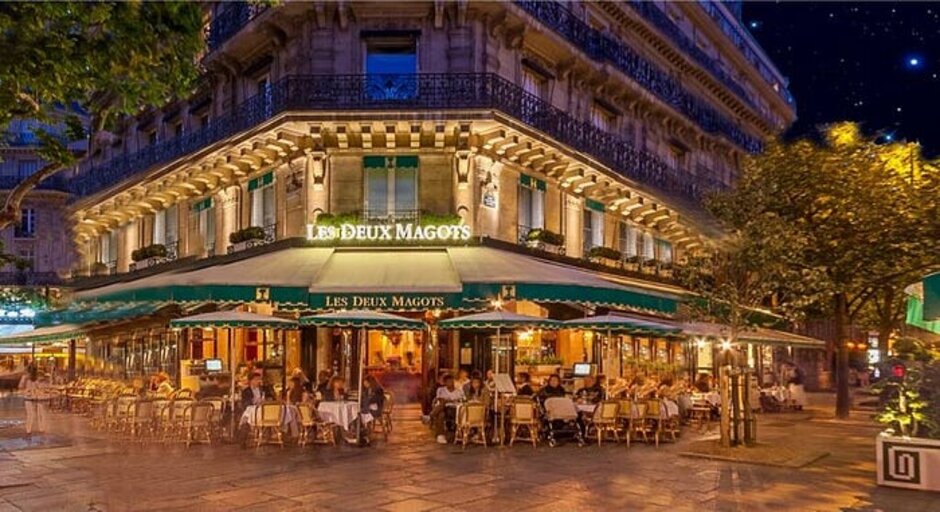
Staying over in town gave me time to saunter up and down the 4th, down the Boulevards Saint-Michel and Saint-Germain des Prés and maybe sell a few extra copies. I did better at Les Deux Magots in the evenings than in the daytime, probably because the view of a braless mignonne asienne selling tabloids in a tight logo T-shirt struck customers as part of the romantic atmosphere.
I never actually did get to sit inside Les Deux Magots, but one evening I had enough on me to get a beer and a meal at the only place in town that knew how to make southwest chili, a place in the 5th called Top Banana. In keeping with their name, they always arranged banana slices, like flower petals, on top of their bowls.
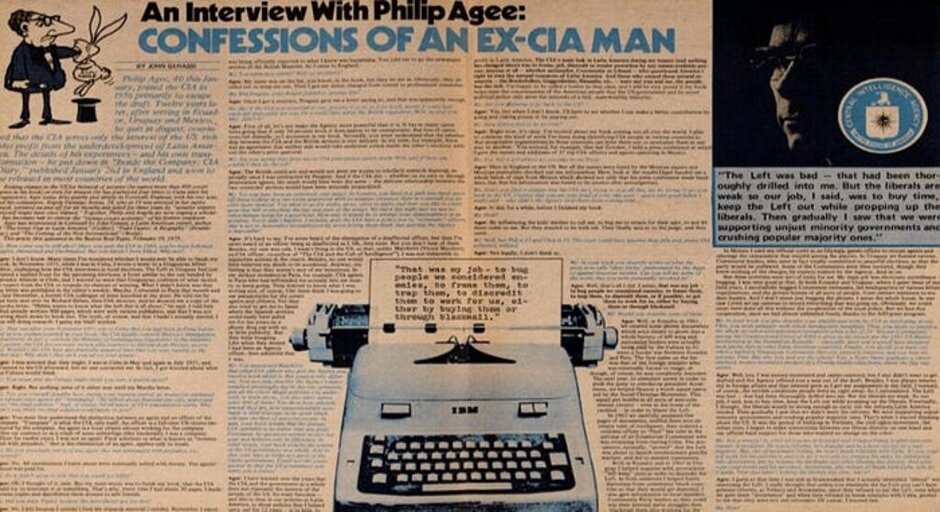
It was here that I encountered the author of Inside the CIA, which was a newly published tell-all book about the nefarious doings of the intelligence agency in South America.
Philip Agee was sitting at the bar with Tom, Harry, and a couple of other hot-to-trot (young, white, male) staff journalists, conversing with great animation. There were other (young, white, male) journos in Top Banana, sitting at a table close by, but they were stringers, not staff writers, and therefore relegated to a distant group, who could only look over longingly at the elect seated at the bar.
Knowing my place, I sat with the stringers. We got along fine, laughing and joking and downing one Stella Artois after another… After a bit, one of the guys, Doug I think was his name, pulled me close and whispered, “Hey, go find out what they’re talking about.” I suppose, being a cute harmless girl, the guys thought I could inveigle my way into their conversation just long enough to find out.
So I mosied over there. No one at the bar paid any attention to me, so I sat at Agee’s elbow patiently gazing up at him, like a starstruck fan waiting for an autograph. Finally he turned to actually look straight down at me.
“Um,” I started pretty shyly, “the guys over there would like to know if you have anything you’d like to share with them…any advice…?”
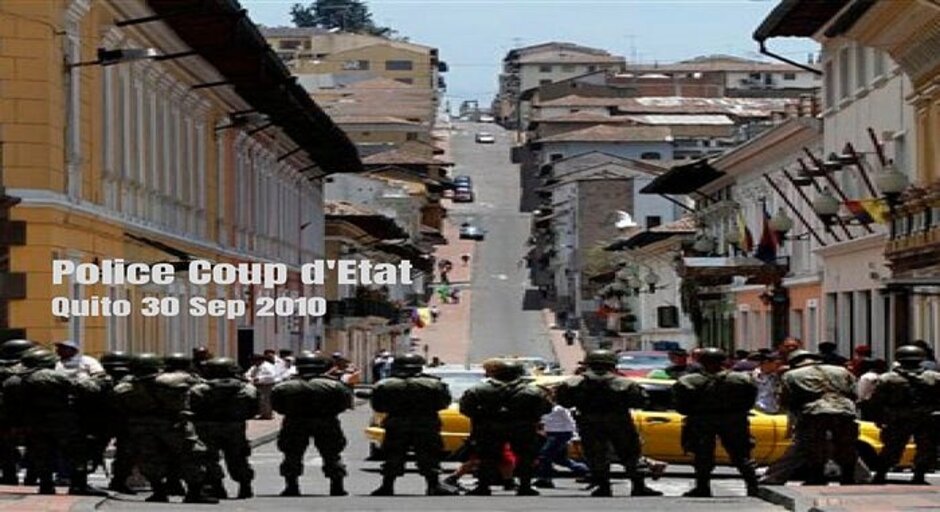
“Yeah!” he snorted. “Don’t go to Ecuador!”
Advice, I’m sorry to say, I failed to heed when my husband and I traveled there on our own special mission, thirty-three years later. But that’s another story.
I will, however, obsess at this time over John’s manly jewelry, mostly his lucky watch (given him by Austin son-of-Eric Coates, author of Rizal: Philippine Nationalist and Martyr) and his lucky cufflinks which, thanks to John’s latest interview in The Stage, I now know to be a gift from the widow of music critic and Barbirolli chum, Michael Kennedy.
A while back I wrote a posting (“Marquess of the Gardens of Aranjuez, His Finest Work in the 1995 UK Film, Brassed Off”) where I played around with the possibility of exploring the differences between your early musical+general education and mine; and for that, I started gathering items from around the internet, which are still in my workbasket. Below are a few scraps:
But that’s not what I’m here to talk about. I also noted, in my travels around the internet, that your career website is now up on Squarespace, administered by some bloke named Simon Lunt-Grifter, but with NO concert information! I note as well, that someone (this selfsame Grifter?) updated your Wikipedia entry back in February, with a more complete listing of your recordings and some additional information about your past and projects that weren’t previously there—although nothing I hadn’t previously looked up, with some effort, and ALREADY knew and wrote about.
My blog regularly gets visitors from the US and the UK (as well the rest of the world). Frequently I get a singular visitor who lingers, reading dozens of my postings at a time, downloading dozens of my music files, and it makes me happy to imagine that somebody out there might have stumbled onto my blog and discovered it an open treasure trove they were welcome to take from. I’m in love with you and want to give you nice things(including good reviews when warranted, and the story of my life)—but because I’m in love I also want to give the world nice things too, and that turns out to be your music.
What I object to is laying out a banquet and having one of your grubby dogsbodies take my offerings with two hands and stuffing their pockets on the assumption that I was already on the same team, so why not?
Since John’s management has long ago ditched his site johnwilsonconductor.com I went over to Bachtrack to find this info, and will probably end up going there and elsewhere evermore for more info on my bonny lad’s—w or w/o his Sinfonia of London—performances. (I also have John on Google Alert, plus I donate to the Royal College and the Royal Academy to get their email newsletters, plus I follow the Sinfonia and RTE on Facebook…plus if he’s scheduled to play movie music somewhere I can get that info from Juliet Rózsa…)
Know why I like this picture? ‘Cause there’s a devil face in the red vainly trying to get at my beloved through the impenetrable white light of my love. So there, John. I told you The Queen of Heaven had her eye on you
UPDATE! Some kind soul in the UK (probably my travelling writer friend Helen Ducal, and if it is you, Helen, thanks!) subscribed me a few days ago to the John Wilson & Sinfonia of London website, which promptly sent me the ballot ClassicFM put out for best classical recordings of 2023. So okay, I voted for his Vaughan Williams but NOT his compleat Oklahoma! out of respect for the memory of my old boss, Rouben Mamoulian, who John—prompted I’m sure by the BBC—saw fit to throw a little shade on when he conducted R&H back in 2010. (John’s still my guy, though. I’m sooo used to snarky artistic types.) So I’ll probably be getting the SoL schedule as they know it. But I still have to hunt up his other appearances.
The dates link to the ticket sites. The other highlights link to available recordings and YT appearances.
Sat 27 Jan 2024 19:30 Sheldonian Theatre Oxford, UK Oxford Philharmonic Orchestra Leonard Elschenbroich (cello)

 Above:


 Above Ken Watanabe and Kelli O’Hara in 2015 Broadway’s sexy production of The King and I, my beloved Brit John Wilson conducts his John Wilson Orchestra in the Albert Hall in the




 "I'll Be Dead Before You Break My Heart"